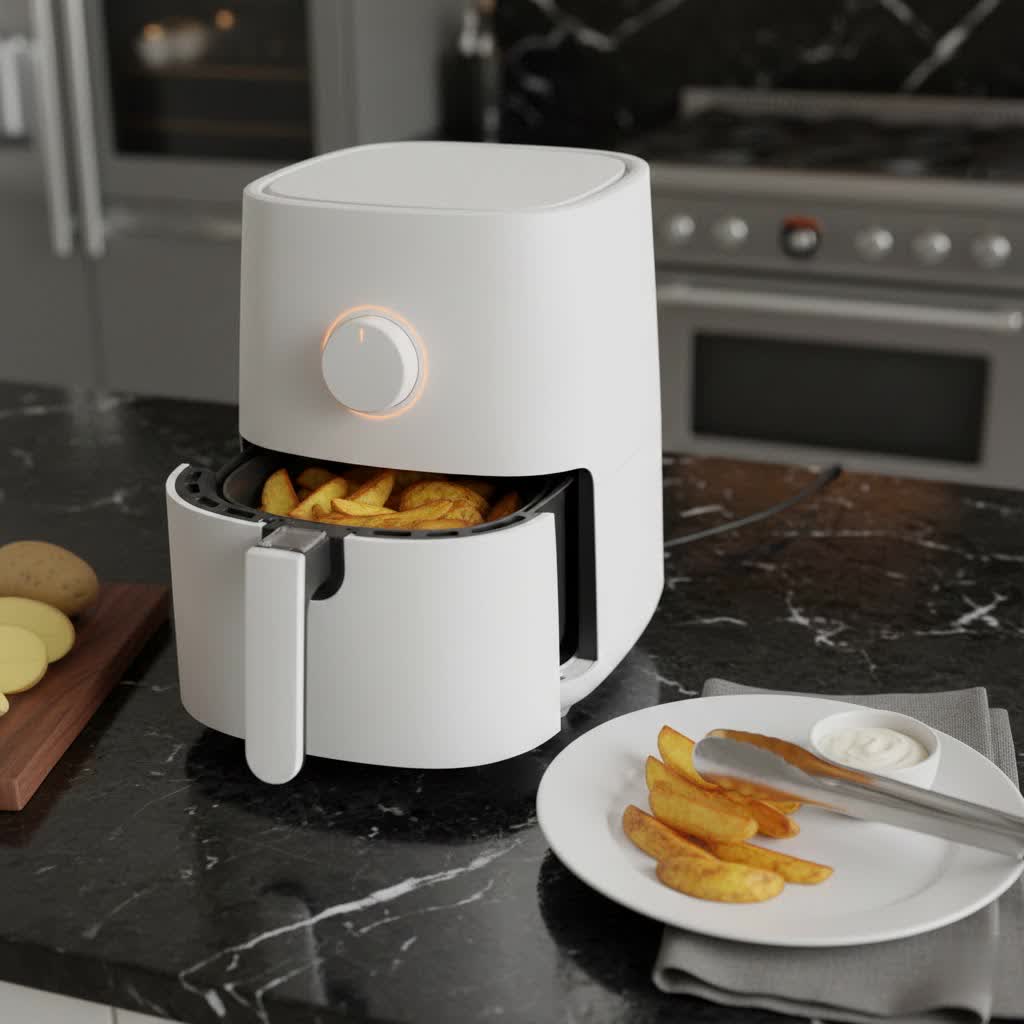
Air fryers have revolutionized home cooking, offering a healthier way to achieve crispy, delicious results with less oil. As these appliances become kitchen staples, a common concern surfaces: what about the non-stick coating? The debate between Teflon and ceramic coatings often leaves consumers wondering which option truly ensures safety without compromising performance. Understanding the materials and their implications for health and durability is key to making an informed choice for your culinary adventures.
Understanding Air Fryer Coatings
To navigate the world of air fryer coatings, it’s essential to understand what these materials are and why they matter for your cooking and health. The non-stick surface is crucial for preventing food from sticking and making cleanup a breeze, but the composition of this surface directly impacts its safety profile.
What is Air Frying and Why Do Coatings Matter?
|
Our Picks for the Best Air fryer in 2026
As an Amazon Associate I earn from qualifying purchases.
|
||
| Num | Product | Action |
|---|---|---|
| 1 | OLIXIS 3QT Air Fryer, Small Air Fryer with Digital PP Touch Panel, 400℉ Max Temp, Overheat Protection and Auto Shut-off, Nonstick and Dishwasher Safe Basket for Roast, Bake, Broil, Reheat, White |

|
| 2 | Ninja Air Fryer with Air Crisp | 5 QT Capacity fits up to 4lbs of Fries | 4-in-1 Pro Air Fry, Roast, Reheat, Dehydrate | 400°F Max Temp | 1750 Watts | W/Nonstick Basket & Crisper Plate | Grey | AF141 |
|
| 3 | CHEFMAN Multifunctional Digital Air Fryer+ Rotisserie, Dehydrator, Convection Oven, 17 Touch Screen Presets Fry, Roast, Dehydrate, Bake, XL 10L Family Size, Auto Shutoff, Large Easy-View Window, Black |
|
| 4 | Chefman Air Fryer – 4 QT Compact Airfryer for Quick & Easy Meals in Minutes, Features Hi-Fry Technology for Extra Crisp, Touchscreen Controls with 4 Presets, Nonstick & Dishwasher Safe Basket - Black |
|
| 5 | Cosori 9-in-1 TurboBlaze Air Fryer 6 Qt, PFAS-Free Ceramic Coating, 90°–450°F, Precise Heating for Even Results, Air Fry, Roast, Bake, Broil, Dry, Frozen, Proof, Reheat, Keep Warm, 120V, Dark Gray |
|
| 6 | Instant Pot 6QT VORTEX Plus Air Fryer, 6-in-1, Air Fry, Broil, Dehydrate, Crisp, Roast, Reheat, Bake, Dishwasher-Safe Airfryer basket, from the Makers of Instant Pot, Stainless Steel |
|
| 7 | Ninja XL Air Fryer with MaxCrisp | 6.5 QT Capacity | 6-in-1 Max Crisp, Air Fry, Roast, Bake, Reheat & Dehydrate | 450°F Temp | 1750 Watts | Nonstick Basket, Crisper Plate & Recipe Guide | Grey | AF181 |
|
| 8 | Sweetcrispy 6.34QT Air Fryer, 8-in-1 Air Fryers Oven with Visible Window, 400℉ Fast Heating, Nonstick Dishwasher-Safe Basket, Timer & Auto-Off, Stainless Steel, Grey |
|
| 9 | CHEFMAN 2 Qt Mini Air Fryer – Digital Space-Saving Compact Air Fryer with Nonstick and Dishwasher Safe Basket, Quick & Easy Meals in Minutes, Features Digital Timer and Shake Reminder – Black |
|
| 10 | Chefman Air Fryer 8 Qt | TurboFry® 4-in-1 with 450°F Hi-Fry Option for Crispier Results | Bake, Dehydrate, Frozen | XL Nonstick Dishwasher-Safe Basket | Stainless Steel |
|
Air frying works by circulating hot air rapidly around food, mimicking the effects of deep frying with significantly less oil. This convection cooking method requires a non-stick surface in the basket or tray to ensure food cooks evenly without sticking, allowing for easy flipping and removal. The material of this coating is paramount because it comes into direct contact with your food at high temperatures, raising concerns about potential chemical leaching or degradation.
Decoding Teflon (PTFE) Coatings
Teflon is a well-known brand name for Polytetrafluoroethylene (PTFE), a synthetic fluoropolymer famous for its non-stick properties. Historically, the manufacturing of PTFE involved Perfluorooctanoic acid (PFOA), a chemical linked to various health issues such as kidney cancer, testicular cancer, and thyroid disease. However, a significant change occurred: since 2013, PFOA has been phased out of Teflon coatings in the United States and is no longer used in their manufacturing.
Modern Teflon-coated air fryers are typically PFOA-free, which addresses the primary health concern associated with its past use. The main safety consideration for current PTFE coatings arises when they are heated to extremely high temperatures, generally above 500-570°F (260-300°C). At these temperatures, PTFE can begin to degrade, potentially releasing polymer fumes. In humans, inhaling these fumes can lead to temporary flu-like symptoms known as “polymer fume fever.” While most air frying typically operates below these critical temperatures (often up to 450°F or 230°C), improper use or prolonged exposure to excessive heat can still pose a risk. Additionally, if the Teflon coating becomes scratched or damaged, small particles can flake off and potentially be ingested, though this is not considered a major health threat.
Exploring Ceramic Coatings
Ceramic coatings offer a popular alternative to traditional non-stick surfaces, distinguishing themselves by being free from PTFE, PFOA, and other per- and polyfluoroalkyl substances (PFAS), as well as heavy metals like lead and cadmium. These coatings are typically made from inorganic materials, often applied using a sol-gel process, which results in a smooth, non-stick finish.
One of the most significant advantages of ceramic coatings is their robust safety profile. They are highly resistant to heat and generally do not emit toxic substances or fumes, even at higher cooking temperatures (some studies show them performing well above 480°F or 249°C). Beyond safety, ceramic coatings offer excellent non-stick performance, are easy to clean, and are often promoted as eco-friendly. Many users also find them to be more scratch-resistant and durable than traditional Teflon, maintaining their integrity over longer periods with proper care.
Teflon vs. Ceramic: A Direct Comparison
When choosing an air fryer, the coating is a critical factor influencing both safety and performance. Let’s delve into a direct comparison between Teflon and ceramic to highlight their key differences.
Safety Profile
The safety of air fryer coatings is often at the forefront of consumer concerns. With modern Teflon (PTFE) coatings, the critical point is temperature. While PFOA has been removed from manufacturing since 2013, the release of polymer fumes at temperatures exceeding 500-570°F (260-300°C) remains a consideration. These fumes can cause temporary flu-like symptoms, and in some cases, serious health risks for birds. However, under typical air frying temperatures, modern PFOA-free Teflon is generally considered safe.
Ceramic coatings, conversely, are largely praised for their non-toxic composition. They are free from PTFE, PFOA, and other PFAS, which eliminates concerns about “forever chemicals.” Ceramic materials do not degrade or release harmful fumes at normal or even very high cooking temperatures, providing a greater sense of security for health-conscious individuals. This makes ceramic an appealing choice for those prioritizing chemical-free cooking.
Durability and Performance
Both Teflon and ceramic coatings are designed to provide a convenient non-stick surface, but their durability can differ. Teflon offers excellent non-stick properties, allowing food to slide off easily, and it performs efficiently in many cooking scenarios. However, Teflon coatings are more susceptible to scratching and flaking if metal utensils are used or if they are aggressively cleaned. Once damaged, the non-stick performance degrades, and there are concerns about ingesting small particles.
Ceramic coatings are generally known for their good non-stick capabilities, though some users report that they may not be as slick as brand-new Teflon over time. Where ceramic often shines is in its durability and scratch resistance. They tend to withstand light contact with metal utensils better than Teflon and are more resistant to peeling or flaking. Furthermore, ceramic maintains its structural integrity and non-stick properties even when exposed to high heat, contributing to its long-term reliability.
Environmental Impact
The environmental footprint of cookware is another growing concern. The historical use of PFOA in Teflon manufacturing had significant environmental consequences, including contamination of land and waterways. While manufacturers have moved away from PFOA, the production and disposal of fluoropolymers still raise environmental questions for some.
Ceramic coatings are often positioned as a more eco-friendly alternative. Made from natural, inorganic materials, their production typically involves fewer harmful chemicals. Many ceramic-coated products also boast being PFOA-free, PTFE-free, and PFAS-free, aligning with sustainable and environmentally conscious consumer values.
Choosing the Right Air Fryer Coating for Your Needs
Deciding between Teflon and ceramic for your air fryer’s coating boils down to a blend of personal priorities regarding health, durability, and practical considerations.
Assessing Your Priorities: Health, Durability, or Budget?
If health and peace of mind are your top priorities, ceramic-coated air fryers are often the preferred choice. Their chemical-free composition (no PTFE, PFOA, or PFAS) ensures that no toxic fumes or substances are released, even at high temperatures. This makes them ideal for families or individuals with heightened chemical sensitivities. Stainless steel and glass air fryers also fall into this category as excellent non-toxic alternatives.
For those who prioritize durability and high-performance non-stick properties for an extended period, ceramic generally offers better scratch resistance and heat stability compared to Teflon. While initial non-stick may be comparable, ceramic coatings tend to hold up better against wear and tear over time.
If budget and immediate non-stick effectiveness are primary concerns, and you are diligent about proper use and care, a modern PFOA-free Teflon air fryer can still be a viable option. These are often more affordable and provide excellent food release from day one. However, awareness of temperature limits and careful handling is crucial.
What to Look For When Buying
When shopping for an air fryer, pay close attention to the product descriptions and labels.
- Explicit Labels: Always look for labels that clearly state “PFOA-free,” “PTFE-free,” or “PFAS-free.” Many manufacturers proudly highlight these features, especially for ceramic products.
- Coating Material: Confirm the specific coating material. If it’s ceramic, verify that it also explicitly states freedom from harmful chemicals. Consider air fryers with stainless steel or glass components for truly non-toxic options, though these may have different non-stick properties.
- User Reviews: Research user reviews and ratings specifically pertaining to the coating’s longevity and performance over time. This can provide real-world insights into how well a coating holds up to regular use.
Maintaining Your Air Fryer Coating for Longevity and Safety
Regardless of whether you choose Teflon or ceramic, proper maintenance is key to extending the life of your air fryer’s non-stick coating and ensuring continued safe operation. Neglecting care can lead to premature wear, reduced performance, and potential health concerns.
Best Practices for Cooking
To protect your air fryer’s non-stick surface, adopt these cooking habits:
- Use Appropriate Utensils: Always opt for silicone, wood, or plastic utensils when handling food in your air fryer basket. Metal utensils can scratch and damage the coating, regardless of whether it’s Teflon or ceramic.
- Avoid Extreme Overheating: While air fryers rarely reach the extreme temperatures that cause significant PTFE degradation, prolonged preheating of an empty basket at maximum temperature, especially for Teflon, is best avoided. Monitor cooking times and temperatures according to recipes.
- Do Not Stack Items: When storing, avoid stacking other kitchen items inside the air fryer basket or tray, as this can lead to scratches.
- Use Liners (Optional): For extra protection and easier cleanup, consider using parchment paper liners specifically designed for air fryers. This creates a barrier between food and the coating.
Cleaning and Care Tips
Proper cleaning is essential to prevent food residue from damaging the non-stick surface:
- Cool Down Before Cleaning: Always allow the air fryer basket and components to cool completely before washing. Sudden temperature changes can stress the coating material.
- Hand Wash Recommended: While some baskets are dishwasher safe, hand washing with warm, soapy water and a soft sponge or cloth is generally recommended. This gentle approach helps preserve the coating.
- Avoid Abrasive Cleaners: Never use abrasive scrubbers, steel wool, or harsh chemical cleaners, as these can strip or damage the non-stick layer.
- Prompt Cleaning: Clean the basket and tray after each use to prevent food from drying and sticking stubbornly, which might necessitate aggressive scrubbing later.
- Inspect for Damage: Regularly inspect the coating for any signs of scratching, chipping, or peeling. If the coating is significantly compromised, consider replacing the basket or tray, as damaged surfaces can harbor bacteria and further degrade.
Buying Guide: Beyond the Coating
While the non-stick coating is a primary consideration, other factors contribute to a truly safe and efficient air frying experience. Looking beyond just “Teflon vs. Ceramic” will help you select the best appliance for your kitchen.
Factors to Consider for a Non-Toxic Air Fryer
- Overall Construction Materials: Besides the basket coating, consider other materials used in the air fryer’s construction. Stainless steel interiors and heating elements are generally preferred for durability and non-toxicity.
- Temperature Range and Control: Ensure the air fryer offers precise temperature control and a range suitable for various recipes. A dual-sensor thermometer can help achieve optimal cooking.
- Ease of Cleaning: Beyond the non-stick properties, look for removable, dishwasher-safe components (if desired, though hand washing is often gentler) and a design that minimizes hard-to-reach crevices.
- Brand Reputation and Certifications: Choose reputable brands known for quality and safety. Look for any independent certifications that attest to the materials used and their safety standards.
- Ventilation: Ensure good ventilation in your kitchen, especially when using any non-stick cookware, as a general best practice.
Conclusion
Choosing between Teflon and ceramic air fryer coatings involves understanding their unique properties and safety considerations. Modern Teflon (PTFE) coatings, free from PFOA since 2013, are generally safe for air frying when used below extreme temperatures and with proper care. However, ceramic coatings stand out as a highly recommended alternative, offering a chemical-free (PTFE, PFOA, PFAS-free) non-stick surface that performs reliably without releasing toxic fumes, even at high heat. They are often more durable and environmentally friendly, providing an enhanced sense of security.
Ultimately, both types can be part of a healthy kitchen if chosen carefully and maintained diligently. For unparalleled peace of mind and robust durability, ceramic-coated air fryers, alongside stainless steel and glass options, offer a compelling choice for health-conscious cooks. Which coating will you choose to elevate your air frying experience?
Frequently Asked Questions
Are all PFOA-free air fryers safe?
While PFOA-free labels address a major historical concern with Teflon, it’s important to remember that some PFOA-free coatings may still contain other PFAS chemicals. For the safest choice, look for air fryers explicitly marketed as PFAS-free, which often includes ceramic, stainless steel, or glass options.
Can I use metal utensils with ceramic coatings?
While ceramic coatings are generally more scratch-resistant than Teflon, it’s still best to avoid metal utensils to ensure their longevity. Silicone, wood, or heat-resistant plastic utensils are recommended to protect the non-stick surface and prevent any potential damage over time.
What happens if I accidentally ingest a tiny flake of non-stick coating?
Accidentally ingesting a small, non-stick flake is generally not considered harmful as these materials are largely inert and pass through the digestive system without being absorbed. However, repeated flaking or significant damage to the coating indicates it’s time to replace the basket or pan for optimal performance and safety.
How often should I replace my air fryer basket?
The lifespan of an air fryer basket depends on usage frequency, care, and coating type. If you notice significant scratching, peeling, or a decline in non-stick performance, it’s advisable to replace the basket. This could range from a few years to much longer with meticulous care.
Are there other non-toxic air fryer materials besides ceramic?
Yes, besides ceramic, stainless steel and glass are excellent non-toxic materials for air fryer components. Stainless steel is highly durable and does not release chemicals, while glass offers complete visibility and inertness. These options provide great alternatives for those seeking to avoid all non-stick coatings.