An air fryer is a cornerstone of modern kitchens, offering a healthier, faster way to enjoy crispy, delicious meals. But when your trusty appliance flashes an enigmatic error code like E1 or E2, it can bring your cooking to a sudden, frustrating halt. Don’t worry, you’re not alone. With over a decade of hands-on experience in air fryer diagnostics and repair, I’ve seen these issues countless times. This guide will demystify these common error codes, walk you through effective troubleshooting steps, and help you get your air fryer back to perfect working order.
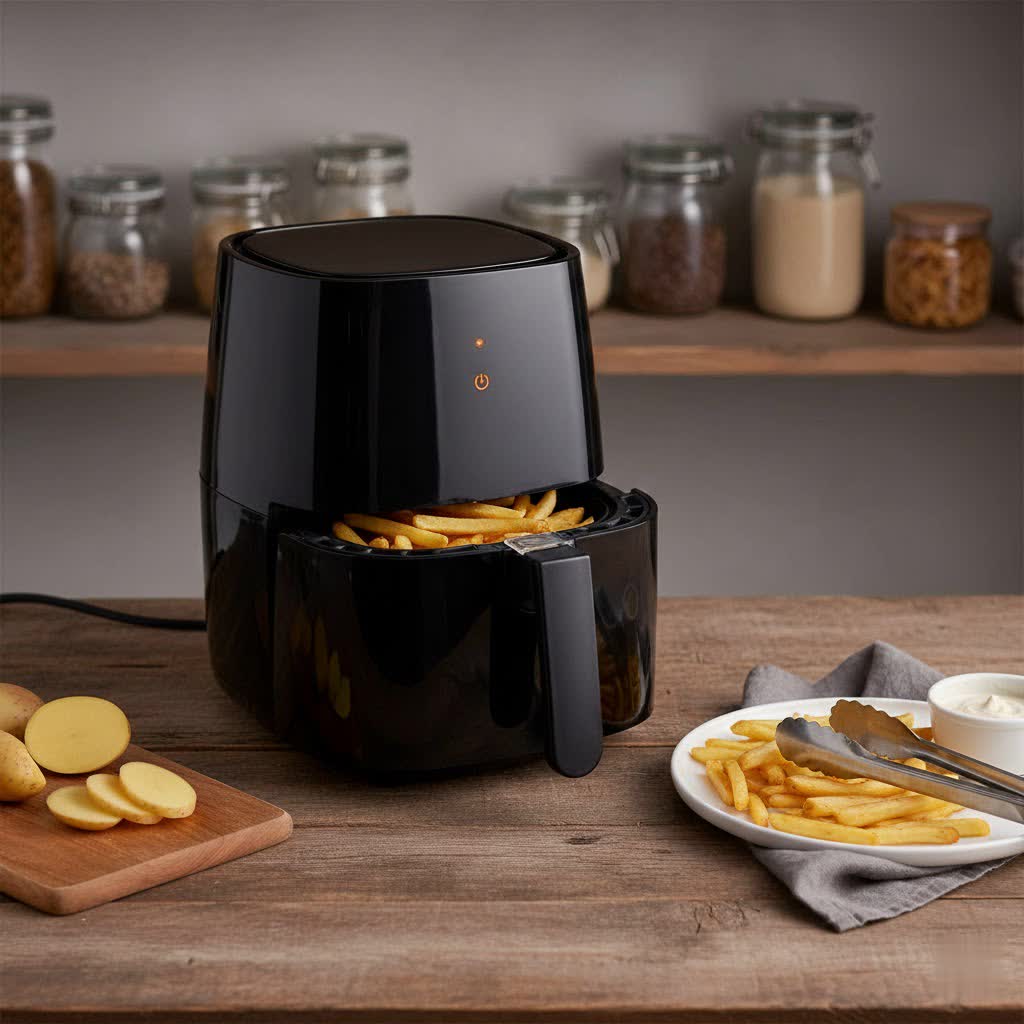
Air Fryer: All You Need to Know About Error Codes
When your air fryer displays an error code, it’s essentially its way of communicating an internal issue. These codes are vital safety and diagnostic signals, alerting you to potential problems ranging from minor glitches to more serious malfunctions that require immediate attention. Understanding these digital cries for help is the first step toward a quick resolution.
What is an Air Fryer Error Code? How Does It Work?
|
Our Picks for the Best Air fryer in 2026
As an Amazon Associate I earn from qualifying purchases.
|
||
| Num | Product | Action |
|---|---|---|
| 1 | Instant Pot 6QT VORTEX Plus Air Fryer, 6-in-1, Air Fry, Broil, Dehydrate, Crisp, Roast, Reheat, Bake, Dishwasher-Safe Airfryer basket, from the Makers of Instant Pot, Stainless Steel |

|
| 2 | Ninja Air Fryer with Air Crisp | 5 QT Capacity fits up to 4lbs of Fries | 4-in-1 Pro Air Fry, Roast, Reheat, Dehydrate | 400°F Max Temp | 1750 Watts | W/Nonstick Basket & Crisper Plate | Grey | AF141 |
|
| 3 | Ninja XL Air Fryer with MaxCrisp | 6.5 QT Capacity | 6-in-1 Max Crisp, Air Fry, Roast, Bake, Reheat & Dehydrate | 450°F Temp | 1750 Watts | Nonstick Basket, Crisper Plate & Recipe Guide | Grey | AF181 |
|
| 4 | Cosori 9-in-1 TurboBlaze Air Fryer 6 Qt, PFAS-Free Ceramic Coating, 90°–450°F, Precise Heating for Even Results, Air Fry, Roast, Bake, Broil, Dry, Frozen, Proof, Reheat, Keep Warm, 120V, Dark Gray |
|
| 5 | CHEFMAN 2 Qt Mini Air Fryer – Digital Space-Saving Compact Air Fryer with Nonstick and Dishwasher Safe Basket, Quick & Easy Meals in Minutes, Features Digital Timer and Shake Reminder – Black |
|
| 6 | Chefman Air Fryer – 4 QT Compact Airfryer for Quick & Easy Meals in Minutes, Features Hi-Fry Technology for Extra Crisp, Touchscreen Controls with 4 Presets, Nonstick & Dishwasher Safe Basket - Black |
|
| 7 | Sweetcrispy 6.34QT Air Fryer, 8-in-1 Air Fryers Oven with Visible Window, 400℉ Fast Heating, Nonstick Dishwasher-Safe Basket, Timer & Auto-Off, Stainless Steel, Grey |
|
| 8 | Chefman Air Fryer 8 Qt | TurboFry® 4-in-1 with 450°F Hi-Fry Option for Crispier Results | Bake, Dehydrate, Frozen | XL Nonstick Dishwasher-Safe Basket | Stainless Steel |
|
| 9 | OLIXIS 3QT Air Fryer, Small Air Fryer with Digital PP Touch Panel, 400℉ Max Temp, Overheat Protection and Auto Shut-off, Nonstick and Dishwasher Safe Basket for Roast, Bake, Broil, Reheat, White |
|
| 10 | CHEFMAN Multifunctional Digital Air Fryer+ Rotisserie, Dehydrator, Convection Oven, 17 Touch Screen Presets Fry, Roast, Dehydrate, Bake, XL 10L Family Size, Auto Shutoff, Large Easy-View Window, Black |
|
An air fryer error code is a specific alphanumeric message appearing on your appliance’s digital display. These codes are programmed by manufacturers to indicate that the internal system has detected a condition outside its normal operating parameters. For instance, sensors continuously monitor temperature, fan speed, and electrical connections. If a reading is abnormal or a component fails to respond as expected, the system triggers an error code, often accompanied by a beep, and typically halts operation to prevent damage or ensure safety. It’s a built-in protective mechanism designed to safeguard both the appliance and your home.
Benefits of Understanding Your Air Fryer’s Error Messages
Knowing what your air fryer’s error codes signify offers several key advantages. Firstly, it empowers you to troubleshoot minor issues independently, saving you time and money on professional repairs. Secondly, it helps prevent further damage to the appliance by addressing problems promptly. Ignoring an error can escalate a simple sensor glitch into a more costly component failure. Finally, understanding these messages enhances your overall appliance literacy, allowing for safer and more efficient use of your air fryer. It gives you the confidence to maintain your kitchen companion for years to come.
Common Air Fryer Error Types: Focus on E1 and E2
While error codes can vary by brand and model, E1 and E2 are remarkably common and generally point to specific categories of problems.
- E1 Error: This code most frequently indicates an issue with the air fryer’s internal temperature sensor or a related electrical connection. It might mean the sensor is faulty, disconnected, or the unit is experiencing an overheating event due to a system glitch. Many brands use E1 to signal that the appliance cannot accurately read or maintain the set temperature.
- E2 Error: Often, an E2 error signals that the air fryer has activated its overheating protection. This can be due to restricted airflow, an overloaded basket, significant food residue blocking components, or a failure in the temperature regulation system, possibly a damaged sensor or a short circuit. Some models also use E2 to flag general electrical issues or issues with the heating element.
Expert Tips for Troubleshooting E1 and E2
When an E1 or E2 code appears, resist the urge to panic. Most issues can be resolved with straightforward troubleshooting. Always prioritize safety: unplug the appliance before any inspection, and allow it to cool completely.
Diagnosing the E1 Error: What to Check First
An E1 code typically points to a temperature sensor problem. Here’s a step-by-step approach:
- Power Cycle (Reset): The simplest fix is often the most effective. Unplug your air fryer from the power outlet. Wait at least 10-15 minutes (or even an hour for a complete cool-down and reset) before plugging it back in and attempting to restart it. This can clear temporary system glitches.
- Inspect Power Connections: Ensure the power cord is securely plugged into both the wall outlet and the air fryer itself. A loose connection can sometimes trigger an E1. Try a different outlet to rule out a faulty power source.
- Check for Obstructions: While less common for E1, ensure that the air intake and exhaust vents are clear of any obstructions that might impede airflow, potentially leading to overheating and sensor misreadings.
- Examine the Sensor (Caution!): If you’re comfortable and your manual allows, gently inspect the interior for any visible temperature sensor. Ensure it’s not disconnected or visibly damaged. Only do this if you know how to safely access internal components and have unplugged the unit for an extended period.
Resolving E2: Addressing Overheating and Sensor Issues
E2 often indicates overheating or a temperature regulation problem.
- Cool Down and Reset: Immediately unplug the air fryer and allow it to cool down for a minimum of 30 minutes, or longer if it feels very hot. Overheating protection is a safety feature, and the unit won’t restart until it’s cool enough. Then plug it back in.
- Verify Airflow: Ensure your air fryer is placed on a flat, stable surface with at least 6 inches of clear space around all sides (back, sides, and top) for proper ventilation. Blocked vents are a primary cause of overheating.
- Inspect for Debris: Remove the air fryer basket and drawer. Carefully inspect the heating element and fan area for any accumulated food particles, grease buildup, or foreign objects that might be obstructing airflow or interfering with the heating components. Clean thoroughly with a soft brush or cloth.
- Avoid Overloading: Overfilling the air fryer basket can restrict hot air circulation, causing the unit to work harder and potentially overheat. Always adhere to the manufacturer’s recommended capacity.
- Check Basket Insertion: Ensure the air fryer basket and drawer are correctly and securely inserted. An improperly seated basket can sometimes prevent the safety interlock from engaging, leading to error codes or preventing operation.
Material and Design Considerations for Error Prevention
The materials and design of your air fryer play a role in its long-term reliability and susceptibility to errors. Models with well-ventilated designs and quality temperature sensors tend to be more robust. Features like easily removable baskets and non-stick coatings also contribute to easier cleaning, which in turn helps prevent issues like grease buildup that can lead to overheating and E2 errors. Robust power cords and secure internal wiring also reduce the likelihood of electrical E1 errors.
Utilizing Advanced Features for Diagnosis
Some modern air fryers come with smart features or companion apps. While these might not directly display solutions for E1 or E2, they can sometimes offer more detailed diagnostic information or direct you to specific troubleshooting guides for your model. Always check your appliance’s smart features, if available, for additional insights when an error occurs.
Brand-Specific E1/E2 Meanings and Support
It’s crucial to remember that while E1 and E2 often have similar general meanings, the exact cause and specific troubleshooting steps can vary between brands (e.g., Ninja, Cosori, Philips, Instant Pot) and even between different models from the same brand. Always consult your air fryer’s user manual first. It contains the most accurate, model-specific information regarding error codes and recommended solutions. If your manual is lost, most manufacturers provide digital versions on their websites.
Comparing Troubleshooting Steps for Different E1/E2 Scenarios
While both E1 and E2 often relate to temperature, their distinct triggers require slightly different initial responses.
Detailed Troubleshooting Table: E1 vs. E2
| Criteria | E1 Error (Typically Temperature Sensor/Electrical) | E2 Error (Typically Overheating Protection) |
|---|---|---|
| Primary Cause | Faulty/disconnected temperature sensor, loose electrical connection, system glitch. | Restricted airflow, overloaded basket, grease buildup, prolonged use, faulty fan. |
| Immediate Action | Unplug, cool, then replug to reset. | Unplug, allow extensive cooling time (30+ min), then replug. |
| Key Inspection Areas | Power cord, internal wiring (if accessible), sensor connection. | Vents (intake/exhaust), heating element for debris, food quantity in basket. |
| Preventative Measures | Secure power connections, avoid power surges. | Ensure ventilation, don’t overfill, regular cleaning. |
| When to Call Support | If basic reset/connection check fails, or sensor appears damaged. | If cooling and cleaning don’t resolve, or fan seems faulty. |
Detailed Scenarios: When E1 Persists vs. When E2 is Stubborn
- When E1 Persists: If you’ve power-cycled the unit, checked basic connections, and the E1 error still appears, the issue likely lies with the temperature sensor itself. This could be a damaged sensor, a broken wire leading to it, or a deeper electronic board issue. At this point, if your air fryer is under warranty, contact customer support immediately. If not, consider a professional repair, but weigh the cost against purchasing a new unit. Do not attempt complex internal repairs unless you are a qualified technician.
- When E2 is Stubborn: If your air fryer consistently displays E2 even after ensuring proper ventilation, cleaning, and avoiding overloading, the problem might be a faulty cooling fan, a malfunctioning heating element, or a more serious temperature control board failure. In such cases, the internal safety mechanisms are continually being triggered. This warrants contacting the manufacturer’s support, especially if the unit is still covered by warranty. Continued use could be unsafe.
Using and Maintaining Your Air Fryer to Prevent Errors
Proactive care is the best defense against frustrating error codes. Simple habits can significantly extend your air fryer’s lifespan and reliability.
Safe and Effective Air Fryer Operation to Avoid Malfunctions
- Proper Placement: Always place your air fryer on a stable, heat-resistant surface, ensuring adequate space around it for air circulation. Avoid placing it against walls or under cabinets.
- Don’t Overfill: Never pack the basket beyond its recommended capacity. Overfilling impedes airflow, leading to uneven cooking and, critically, overheating that can trigger E2 errors.
- Check Before Starting: Before each use, quickly check that the basket is securely inserted, and there are no visible obstructions around the vents.
- Use Correct Settings: Follow recipe guidelines for temperature and time. Excessively high temperatures for prolonged periods can stress components and potentially lead to overheating issues.
Cleaning and Storing Your Air Fryer for Longevity and Error Prevention
- Regular Cleaning: Clean your air fryer after every few uses, or immediately after cooking greasy foods. Pay special attention to the basket, drawer, and especially the heating element and fan area. Grease and food debris buildup are common culprits for restricted airflow and E2 errors. Use warm, soapy water for removable parts and a damp cloth for the exterior and interior (after unplugging and cooling).
- Inspect Vents: Periodically check that air intake and exhaust vents are free from dust or blockages. A soft brush can help dislodge stubborn debris.
- Proper Storage: Once cooled and cleaned, store your air fryer in a dry place. Ensure the power cord is neatly coiled and not kinked or damaged during storage.
Where to Find Reliable Air Fryer Repair or Replacement
If troubleshooting fails, knowing where to turn next is crucial.
- Manufacturer Support: Always start by contacting the manufacturer’s customer service. They can provide brand-specific advice, guide you through advanced diagnostics, and inform you about warranty coverage and authorized service centers.
- Authorized Service Centers: If your unit is under warranty, ensure any repairs are done by an authorized service center to maintain warranty validity. Even out of warranty, these centers use genuine parts and have specialized knowledge.
- Reputable Retailers: If a repair is too costly or your air fryer is old, it might be more economical to purchase a new one. Choose reputable retailers known for good customer service and return policies.
Tips for Smarter Air Frying, Minus the Errors
Beyond troubleshooting, adopting smart air frying habits can significantly reduce the chances of encountering error codes in the first place.
Avoiding Common Mistakes That Lead to Error Codes
- Not Shaking/Flipping Food: For even cooking and to prevent dense spots that can affect airflow, shake or flip your food halfway through the cooking process.
- Using Wet Ingredients Directly: Ensure food isn’t excessively wet when placed in the air fryer, as this can create steam buildup that might impact sensors.
- Ignoring the Manual: Your air fryer’s manual is a treasure trove of information specific to your model. Referring to it for common questions and maintenance can prevent many issues.
Mastering Temperature and Time for Optimal Performance and Fewer Errors
Experiment with different temperatures and cooking times, always starting with recommended guidelines. Over-cooking or consistently running the air fryer at its maximum temperature for very long durations can put undue stress on the heating elements and sensors, potentially leading to E1 or E2 errors over time. A slightly lower temperature for a longer period often yields equally crispy results without straining the appliance.
Air Fryer Buying Guide: When It’s Time for an Upgrade
Sometimes, despite your best efforts, an air fryer might be beyond economical repair, especially if it’s an older model or the repair cost rivals that of a new unit. When persistent E1 or E2 errors signal it’s time for a replacement, consider these factors.
Key Factors to Consider When Replacing an Air Fryer
- Capacity: Evaluate your household size and cooking needs. Larger families or those who entertain frequently might benefit from a 5.5L or larger capacity.
- Wattage/Power: Higher wattage generally means faster preheating and cooking. Look for models with at least 1500W for efficient performance.
- Features: Consider features like digital controls, preset programs, shake reminders, and dishwasher-safe parts for convenience. Smart connectivity can also offer better diagnostics.
- Brand Reputation & Warranty: Invest in reputable brands known for reliability and customer support. A good warranty offers peace of mind against future defects.
- Design & Footprint: Ensure the new air fryer fits your kitchen counter space and aesthetic. Pay attention to ventilation requirements.
Conclusion
Encountering an E1 or E2 error code on your air fryer can be a frustrating experience, but with a systematic approach, many of these issues are easily resolved. By understanding what these codes mean, performing basic troubleshooting steps like power cycling, cleaning, and ensuring proper ventilation, you can often get your appliance back on track quickly. Remember to always consult your user manual for model-specific guidance and to contact customer support if problems persist. Regular maintenance and mindful usage are key to preventing future errors and ensuring your air fryer continues to deliver delicious, perfectly cooked meals for years to come. What’s your go-to troubleshooting tip for unexpected appliance errors?
Frequently Asked Questions
What does E1 usually mean on most air fryers?
On most air fryers, an E1 error code typically indicates a problem with the internal temperature sensor or a related electrical circuit. This could be due to a faulty or disconnected sensor, or a temporary system glitch preventing accurate temperature readings. A power cycle often helps reset the system.
How can I fix an E2 error if my air fryer is overheating?
If your air fryer displays an E2 error due to overheating, first unplug it immediately and let it cool down for at least 30 minutes. Then, check for blocked air vents, remove any food debris or grease buildup, ensure the basket isn’t overloaded, and place the unit with ample space for ventilation.
Is it safe to use my air fryer if it keeps showing E1 or E2?
No, it is generally not safe to continue using an air fryer that repeatedly displays E1 or E2 error codes. These codes are safety mechanisms, often indicating issues with temperature regulation or electrical components. Persistent errors suggest a deeper problem that could pose a safety risk if ignored.
When should I contact customer support for an E1 or E2 error?
You should contact customer support if basic troubleshooting steps like power cycling, cleaning, and checking for obstructions do not resolve the E1 or E2 error. Also, if your air fryer is new and under warranty, it’s best to reach out to the manufacturer directly to avoid voiding the warranty by attempting complex repairs.
Can food debris cause air fryer error codes like E1 or E2?
Yes, food debris and grease buildup can definitely contribute to error codes, especially E2. Accumulated residue can block ventilation vents, reduce airflow, and interfere with the heating element or sensors, leading to overheating and triggering the E2 error. Regular cleaning is crucial for prevention.
How often should I clean my air fryer to prevent errors?
For optimal performance and to prevent error codes, it’s recommended to clean your air fryer’s basket and drawer after every few uses. A more thorough cleaning of the interior, including the heating element and fan area, should be done periodically, especially after cooking greasy or crumbly foods.
Does air fryer placement affect the occurrence of E2 error codes?
Absolutely. Proper air fryer placement is vital to prevent E2 errors. The unit requires sufficient clear space (typically at least 6 inches) around its sides and back for air circulation. If placed in a confined space, heat can build up, leading to overheating and triggering the E2 safety protocol.
