The air fryer has revolutionized home cooking, offering a healthier way to achieve crispy, delicious results with minimal oil. From golden-brown fries to perfectly cooked chicken wings, this countertop appliance promises convenience and culinary excellence. However, to truly unlock its potential and ensure every bite is evenly cooked and delightfully crunchy, there’s one crucial technique often overlooked: shaking the basket. This guide will delve into everything you need to know about your air fryer, with a special focus on the indispensable art of proper basket shaking to guarantee flawless, consistent results every time.
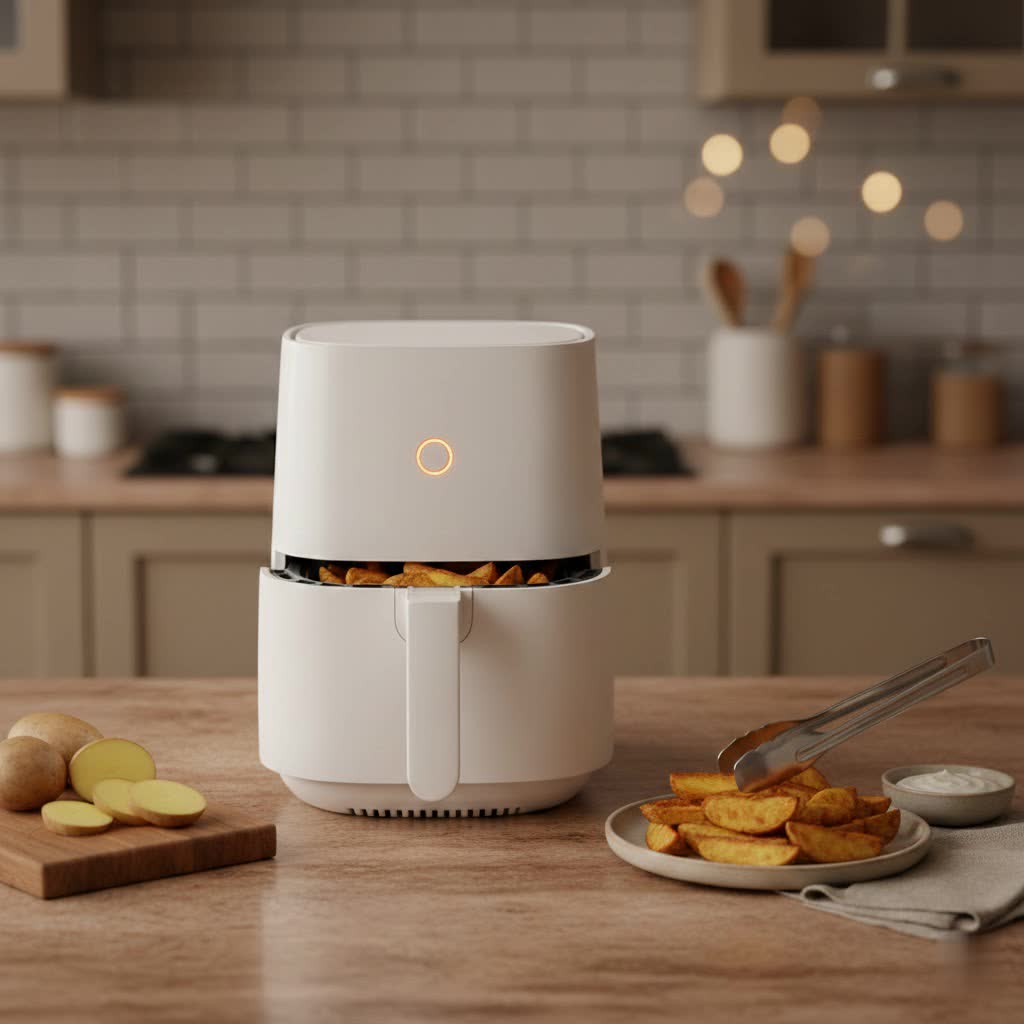
Air Fryer: Everything You Need to Know
What is an Air Fryer? How Does it Work?
|
Our Picks for the Best Air fryer in 2026
As an Amazon Associate I earn from qualifying purchases.
|
||
| Num | Product | Action |
|---|---|---|
| 1 | Chefman Air Fryer – 4 QT Compact Airfryer for Quick & Easy Meals in Minutes, Features Hi-Fry Technology for Extra Crisp, Touchscreen Controls with 4 Presets, Nonstick & Dishwasher Safe Basket - Black |

|
| 2 | CHEFMAN 2 Qt Mini Air Fryer – Digital Space-Saving Compact Air Fryer with Nonstick and Dishwasher Safe Basket, Quick & Easy Meals in Minutes, Features Digital Timer and Shake Reminder – Black |
|
| 3 | OLIXIS 3QT Air Fryer, Small Air Fryer with Digital PP Touch Panel, 400℉ Max Temp, Overheat Protection and Auto Shut-off, Nonstick and Dishwasher Safe Basket for Roast, Bake, Broil, Reheat, White |
|
| 4 | Cosori 9-in-1 TurboBlaze Air Fryer 6 Qt, PFAS-Free Ceramic Coating, 90°–450°F, Precise Heating for Even Results, Air Fry, Roast, Bake, Broil, Dry, Frozen, Proof, Reheat, Keep Warm, 120V, Dark Gray |
|
| 5 | Sweetcrispy 6.34QT Air Fryer, 8-in-1 Air Fryers Oven with Visible Window, 400℉ Fast Heating, Nonstick Dishwasher-Safe Basket, Timer & Auto-Off, Stainless Steel, Grey |
|
| 6 | CHEFMAN Multifunctional Digital Air Fryer+ Rotisserie, Dehydrator, Convection Oven, 17 Touch Screen Presets Fry, Roast, Dehydrate, Bake, XL 10L Family Size, Auto Shutoff, Large Easy-View Window, Black |
|
| 7 | Chefman Air Fryer 8 Qt | TurboFry® 4-in-1 with 450°F Hi-Fry Option for Crispier Results | Bake, Dehydrate, Frozen | XL Nonstick Dishwasher-Safe Basket | Stainless Steel |
|
| 8 | Instant Pot 6QT VORTEX Plus Air Fryer, 6-in-1, Air Fry, Broil, Dehydrate, Crisp, Roast, Reheat, Bake, Dishwasher-Safe Airfryer basket, from the Makers of Instant Pot, Stainless Steel |
|
| 9 | Ninja Air Fryer with Air Crisp | 5 QT Capacity fits up to 4lbs of Fries | 4-in-1 Pro Air Fry, Roast, Reheat, Dehydrate | 400°F Max Temp | 1750 Watts | W/Nonstick Basket & Crisper Plate | Grey | AF141 |
|
| 10 | Ninja XL Air Fryer with MaxCrisp | 6.5 QT Capacity | 6-in-1 Max Crisp, Air Fry, Roast, Bake, Reheat & Dehydrate | 450°F Temp | 1750 Watts | Nonstick Basket, Crisper Plate & Recipe Guide | Grey | AF181 |
|
An air fryer is a kitchen appliance that cooks food by circulating hot air around it. Unlike traditional deep-frying, which submerges food in hot oil, an air fryer uses a fan to rapidly move hot air, creating a convection effect that mimics the crispiness of fried food. This process, often referred to as “air frying,” results in food that is crunchy on the outside and tender on the inside, using significantly less oil. The hot air ensures a uniform cooking environment, but its effectiveness relies heavily on proper food placement and movement within the basket.
Benefits of Using an Air Fryer
The appeal of air frying extends beyond just healthier eating. Air fryers offer numerous advantages, including faster cooking times compared to conventional ovens, easy cleanup with non-stick baskets, and versatile cooking capabilities for a wide range of foods. They excel at reheating leftovers, transforming soggy dishes back to their original crispness, and simplifying meal preparation for busy households. The ability to achieve delicious, crispy textures without excessive fat makes them a favorite for health-conscious individuals and families alike.
Popular Air Fryer Types on the Market
The air fryer market offers a variety of models to suit different needs and preferences. The most common types include basket-style air fryers, which are compact and ideal for smaller portions or single-layer cooking. Larger, oven-style air fryers offer greater capacity and often come with additional features like rotisserie functions or dehydrators, making them suitable for larger families or more complex meals. Some models integrate multiple cooking functions, acting as an air fryer, pressure cooker, and slow cooker all in one.
Guide to Choosing the Right Air Fryer
Determine Your Usage Needs
Before purchasing an air fryer, consider how you intend to use it. Think about the types of meals you’ll be preparing, the frequency of use, and the number of people you typically cook for. If you’re mainly making snacks for one or two, a smaller, more basic model might suffice. For families or those who plan to use it for main meals, a larger capacity and more advanced features will be more beneficial.
Choose Appropriate Capacity and Power
Air fryer capacities range from compact 2-quart models to spacious 10-quart or larger units. A 3-5 quart air fryer is generally suitable for 1-3 people, while 5-7 quarts is good for 3-5 people. For larger families, 7 quarts and up is recommended. Higher wattage (typically 1500W-1800W) usually means faster preheating and cooking, which can be a significant time-saver in a busy kitchen.
Material and Design
Most air fryer baskets are made from non-stick coated metal, making them easy to clean. Stainless steel components offer durability and a sleek aesthetic. Consider designs with clear viewing windows, which allow you to monitor food without opening the basket and disrupting the cooking process. A compact footprint is also important for smaller kitchens, while some designs prioritize ease of storage.
Additional Features
Modern air fryers come with an array of features that can enhance the cooking experience. Digital controls with preset programs offer convenience for common dishes, while adjustable temperature and time settings provide greater control. Keep an eye out for features like automatic shut-off, shake reminders, and dishwasher-safe parts for added ease of use and maintenance. Some models even integrate smart connectivity for remote control via an app.
Brands and Pricing
The air fryer market includes many reputable brands like Philips, Ninja, Cosori, Instant Pot, and Gourmia, each offering a range of models across different price points. Entry-level air fryers can start around $50-$80, while high-end, feature-rich models can cost upwards of $200-$300. It’s important to balance your budget with the features and capacity that best meet your cooking demands, often finding a sweet spot in the mid-range.
Comparing the Best Air Fryer Models Today
Choosing the best air fryer can be challenging with so many options available. This comparison highlights some popular models based on common criteria, providing a snapshot to help you assess different offerings.
Detailed Comparison Table
| Feature | Model 1 (e.g., Brand X Basket Fryer) | Model 2 (e.g., Brand Y Oven Fryer) | Model 3 (e.g., Brand Z Smart Fryer) |
|---|---|---|---|
| Brand | Brand X | Brand Y | Brand Z |
| Capacity | 4 Quarts | 8 Quarts | 6 Quarts |
| Wattage | 1500W | 1700W | 1600W |
| Features | Digital Presets, Auto Shut-off | Rotisserie, Dehydrate, Digital | Wi-Fi, App Control, Shake Reminder |
| Price Range | Mid | High | Mid-High |
| Pros | Compact, User-Friendly | Large Capacity, Versatile | Smart Features, Convenient |
| Cons | Limited Capacity | Bulky, Higher Price | App Dependency |
Detailed Review of Each Model
- Model 1 (Brand X Basket Fryer): This model is a fantastic entry point for air fryer beginners or those with limited counter space. Its compact design makes it easy to store, and the intuitive digital presets simplify cooking. While its 4-quart capacity is perfect for smaller households, larger batches may require cooking in multiple rounds. It’s an efficient option for everyday snacks and side dishes.
- Model 2 (Brand Y Oven Fryer): For families or avid cooks, Brand Y’s 8-quart oven-style air fryer offers exceptional versatility. Beyond air frying, it often includes functions for rotisserie, dehydrating, and roasting, making it a true multi-functional appliance. Its larger size means it takes up more counter space, but the expanded cooking capabilities and generous capacity often justify the investment for those who entertain or cook extensively.
- Model 3 (Brand Z Smart Fryer): The Brand Z Smart Fryer elevates convenience with integrated Wi-Fi and app control. You can start, pause, and monitor your cooking from your smartphone, a feature particularly useful for busy schedules. It also typically includes an audible shake reminder, ensuring evenly cooked food. While the smart features are a major plus, some users might find the reliance on an app a slight learning curve.
Air Fryer Usage and Maintenance Guide
How to Use Your Air Fryer Safely and Effectively
Operating an air fryer effectively goes beyond just setting the temperature and time; it involves understanding crucial techniques like basket shaking. For optimal results, avoid overcrowding the basket, as this restricts airflow and leads to uneven cooking. Always ensure there’s enough space for hot air to circulate freely around each food piece. When cooking items that are stacked or in multiple layers, such as French fries or chicken nuggets, shaking the basket is not merely a suggestion—it’s essential for achieving that sought-after uniform crispness.
To shake the basket correctly, carefully pull it out of the air fryer mid-cooking. Hold it firmly and give it a vigorous, yet controlled, toss over a sink or a clean surface to redistribute the food. The goal is to move the pieces from the bottom and sides to the top and center, ensuring all surfaces are exposed to the circulating hot air. For more delicate foods, or if the basket is very full, you can use silicone-tipped tongs or a spatula to gently stir and flip the contents instead of a forceful shake. Once the food is properly mixed, slide the basket back into the air fryer to continue cooking. Regular shaking prevents sticking, promotes even browning, and guarantees a consistent texture throughout your meal.
Cleaning and Maintaining Your Air Fryer
Proper cleaning and maintenance are key to extending the life of your air fryer. After each use, allow the appliance to cool completely. The basket and pan (if removable) should be washed with warm, soapy water or placed in the dishwasher if they are dishwasher-safe. For stubborn residue, soak the components briefly before scrubbing with a non-abrasive sponge. The exterior of the air fryer can be wiped down with a damp cloth, while the heating element inside should be gently cleaned with a soft brush to remove any food particles. Regular cleaning prevents grease buildup and ensures efficient operation.
Where to Buy a Reputable Air Fryer?
When you’re ready to purchase an air fryer, several reputable retailers offer a wide selection. Large electronics stores, department stores, and home goods retailers typically have a dedicated kitchen appliance section where you can view various models in person. Online marketplaces also offer extensive choices, often with competitive pricing and customer reviews to guide your decision. Always check for warranty information and return policies before making a purchase.
Tips for Better Air Frying
Delicious and Easy Air Fryer Recipes
The air fryer opens up a world of culinary possibilities, making many dishes both delicious and simple to prepare. Classic favorites like crispy French fries, sweet potato fries, and chicken wings are often highlighted as air fryer superstars, primarily because they benefit so immensely from the even heat and crisping action. Other popular recipes include roasted vegetables (broccoli, Brussels sprouts), chicken tenders, spring rolls, and even certain baked goods like cookies. These dishes generally require uniform exposure to heat, making proper basket shaking or flipping a critical step for perfect results.
Tips for Adjusting Temperature and Time for Even Cooking
Achieving perfectly even cooking in your air fryer involves more than just setting it and forgetting it. Consistent results often depend on strategically adjusting temperature, cooking time, and crucially, how and when you intervene. While recommended cooking times and temperatures serve as excellent starting points, food density, size, and quantity can all influence the outcome.
For optimal evenness, it’s often advisable to cook at a slightly lower temperature for a longer duration, rather than a very high temperature for a short burst, which can lead to burnt exteriors and undercooked interiors. Most importantly, shaking or flipping your food every 5 to 7 minutes during the cooking process, or at least once midway through, is paramount. This ensures all sides of the food get equal exposure to the circulating hot air, preventing uneven browning and ensuring thorough cooking. Overfilling the basket is one of the biggest culprits of uneven cooking, so cook in smaller batches if necessary.
“The secret to perfectly crispy, evenly cooked air fryer food isn’t just the appliance itself, but the cook’s active participation in redistributing the food. A well-timed shake can make all the difference between good and great.” – Chef Elena Rodriguez, Culinary Innovator
Buying Guide
Factors to Consider When Buying an Air Fryer
Selecting the ideal air fryer involves a few key considerations to ensure it meets your culinary needs. First, assess the capacity based on your household size and typical portion requirements. Next, evaluate the wattage, as higher power generally translates to faster cooking. Look for user-friendly controls, whether digital or analog, and consider pre-set cooking functions for convenience. Ease of cleaning is also paramount, so check for dishwasher-safe components and non-stick surfaces. Finally, factor in the price and available features like shake reminders or smart connectivity to find a model that offers the best value for your investment.
Conclusion
The air fryer is undoubtedly a game-changer in modern kitchens, offering a healthier and more efficient way to enjoy crispy, flavorful meals. While its technology is impressive, mastering the art of perfectly cooked food hinges on understanding and implementing effective techniques. Chief among these is the crucial practice of correctly shaking the air fryer basket. By ensuring proper air circulation and even exposure to heat, you can elevate your air frying results from good to consistently outstanding. Embracing this simple yet powerful technique will not only prevent uneven cooking but also enhance the texture and taste of your favorite dishes, making every air-fried meal a delightful experience. What new crispy creations will you perfect with your enhanced shaking skills?
Frequently Asked Questions
Why is shaking the air fryer basket so important for even cooking?
Shaking the air fryer basket is crucial because it redistributes the food, ensuring all surfaces are exposed to the circulating hot air. Without shaking, items at the bottom or center may remain undercooked or less crispy, leading to uneven results and inconsistent texture across your dish.
How often should I shake the air fryer basket?
The frequency of shaking depends on the food type and quantity. For dense items like French fries or chicken nuggets, shaking 3-4 times throughout cooking, or every 5-7 minutes, is often recommended. For lighter loads or less dense foods, a shake midway through the cooking process might suffice.
Can I just use tongs instead of shaking the entire basket?
Yes, using silicone-tipped tongs or a spatula is an excellent alternative to vigorously shaking the basket, especially for delicate foods like fish or vegetables, or when the basket is very full. The goal is to redistribute the food gently to ensure even cooking without causing damage.
What happens if I don’t shake my air fryer basket?
If you don’t shake the air fryer basket, you risk unevenly cooked food. Parts of your meal may be perfectly crispy, while others remain soggy, pale, or even undercooked. This is due to restricted hot air circulation around static food items, leading to inconsistent heat distribution.
Are there any foods I shouldn’t shake in the air fryer?
Yes, very fragile foods or items cooked in a single layer for specific presentation (like a breaded chicken breast) generally do not require shaking. Delicate items might break apart, while single-layer foods naturally receive adequate air circulation without intervention.
How full should the air fryer basket be to allow effective shaking?
For effective shaking and optimal cooking, the air fryer basket should ideally be filled to about half or two-thirds of its capacity. Overfilling obstructs airflow, making it difficult to redistribute food properly and leading to less crispy, unevenly cooked results.
