Air fryers have revolutionized our kitchens, offering a healthier, quicker way to enjoy crispy favorites without excessive oil. Yet, a common frustration many air fryer owners face is the dreaded peeling of the non-stick coating in the basket. You pull out your perfectly cooked meal, only to find small flakes of the coating mixed in. It’s a moment that leaves you wondering: Is it safe? Can I fix this? What caused it in the first place? Understanding the reasons behind this wear and tear, recognizing potential safety concerns, and implementing proper care routines are crucial steps to keeping your air fryer performing its best. This guide will walk you through everything you need to know about tackling a peeling air fryer basket, from understanding its mechanics to practical prevention tips and smart solutions.
Air Fryer Non-Stick Coatings: Everything You Need to Know
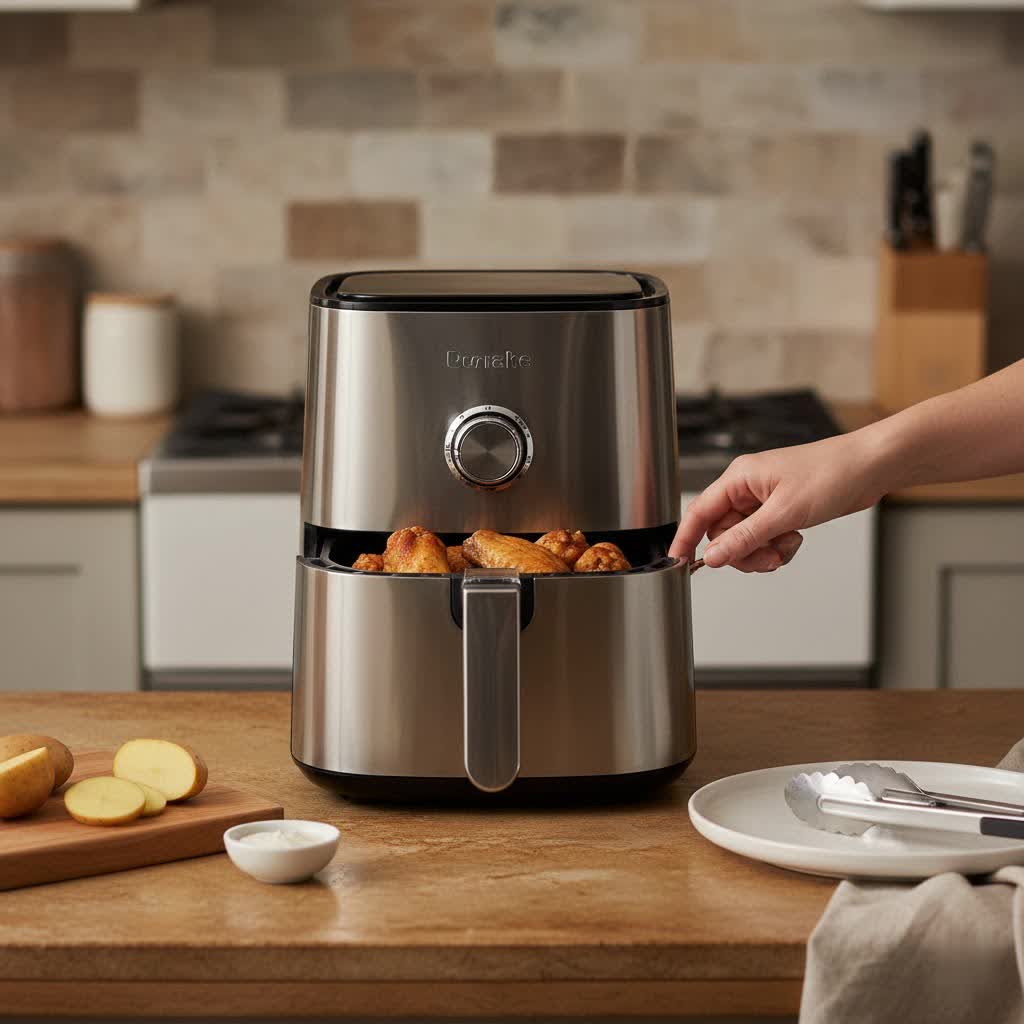
The magic behind your air fryer’s effortless food release and easy cleanup lies in its non-stick coating. Typically, this coating is made from a material like polytetrafluoroethylene (PTFE), often known by the brand name Teflon, or a ceramic-based alternative. These materials create a slick surface that prevents food from sticking, allowing hot air to circulate freely around your ingredients for that signature crispy finish.
What is Non-Stick Coating and How Does it Work in Air Fryers?
|
Our Picks for the Best Air fryer in 2026
As an Amazon Associate I earn from qualifying purchases.
|
||
| Num | Product | Action |
|---|---|---|
| 1 | Ninja Air Fryer with Air Crisp | 5 QT Capacity fits up to 4lbs of Fries | 4-in-1 Pro Air Fry, Roast, Reheat, Dehydrate | 400°F Max Temp | 1750 Watts | W/Nonstick Basket & Crisper Plate | Grey | AF141 |

|
| 2 | Cosori 9-in-1 TurboBlaze Air Fryer 6 Qt, PFAS-Free Ceramic Coating, 90°–450°F, Precise Heating for Even Results, Air Fry, Roast, Bake, Broil, Dry, Frozen, Proof, Reheat, Keep Warm, 120V, Dark Gray |
|
| 3 | Instant Pot 6QT VORTEX Plus Air Fryer, 6-in-1, Air Fry, Broil, Dehydrate, Crisp, Roast, Reheat, Bake, Dishwasher-Safe Airfryer basket, from the Makers of Instant Pot, Stainless Steel |
|
| 4 | CHEFMAN 2 Qt Mini Air Fryer – Digital Space-Saving Compact Air Fryer with Nonstick and Dishwasher Safe Basket, Quick & Easy Meals in Minutes, Features Digital Timer and Shake Reminder – Black |
|
| 5 | Chefman Air Fryer – 4 QT Compact Airfryer for Quick & Easy Meals in Minutes, Features Hi-Fry Technology for Extra Crisp, Touchscreen Controls with 4 Presets, Nonstick & Dishwasher Safe Basket - Black |
|
| 6 | Chefman Air Fryer 8 Qt | TurboFry® 4-in-1 with 450°F Hi-Fry Option for Crispier Results | Bake, Dehydrate, Frozen | XL Nonstick Dishwasher-Safe Basket | Stainless Steel |
|
| 7 | Sweetcrispy 6.34QT Air Fryer, 8-in-1 Air Fryers Oven with Visible Window, 400℉ Fast Heating, Nonstick Dishwasher-Safe Basket, Timer & Auto-Off, Stainless Steel, Grey |
|
| 8 | CHEFMAN Multifunctional Digital Air Fryer+ Rotisserie, Dehydrator, Convection Oven, 17 Touch Screen Presets Fry, Roast, Dehydrate, Bake, XL 10L Family Size, Auto Shutoff, Large Easy-View Window, Black |
|
| 9 | Ninja XL Air Fryer with MaxCrisp | 6.5 QT Capacity | 6-in-1 Max Crisp, Air Fry, Roast, Bake, Reheat & Dehydrate | 450°F Temp | 1750 Watts | Nonstick Basket, Crisper Plate & Recipe Guide | Grey | AF181 |
|
| 10 | OLIXIS 3QT Air Fryer, Small Air Fryer with Digital PP Touch Panel, 400℉ Max Temp, Overheat Protection and Auto Shut-off, Nonstick and Dishwasher Safe Basket for Roast, Bake, Broil, Reheat, White |
|
Non-stick coatings are designed to be extremely durable and non-reactive. In an air fryer, this coating lines the basket, allowing food to be cooked with minimal oil and ensuring that even notoriously sticky items, like breaded chicken or delicate fish, lift out easily. This low-friction surface also simplifies the cleaning process, as food residue struggles to adhere, usually wiping away with ease.
The Hidden Dangers: Is a Peeling Air Fryer Basket Safe?
Discovering flakes of coating in your food can be alarming. The general consensus among experts is that if the non-stick coating is actively flaking, lifting, or if exposed metal is visible, you should cease using that basket. While accidentally ingesting small, isolated flakes of an inert material like PTFE is often considered harmless for humans, it’s not ideal and can lead to bigger problems.
More importantly, damaged coatings can potentially release unwanted chemicals into your food or the air, especially if the basket is overheated. Although air fryers typically operate below the extreme temperatures required for harmful fumes from PTFE, a compromised surface is a risk you shouldn’t ignore. When in doubt, prioritize safety by replacing the basket or using a protective liner.
Why Do Air Fryer Non-Stick Coatings Peel? Common Causes
The lifespan of an air fryer’s non-stick coating isn’t infinite, and several factors contribute to its eventual breakdown:
- Mechanical Damage: One of the most common culprits is the use of metal utensils. Scraping, poking, or stirring food with metal spatulas, tongs, or forks can easily scratch and gouge the delicate non-stick surface, creating weak points where peeling can begin.
- Abrasive Cleaners and Sponges: Cleaning your basket with harsh scrubbing pads, steel wool, or abrasive sponges can wear down the coating over time. Similarly, strong chemical detergents can degrade the non-stick layer, making it more susceptible to damage.
- Thermal Stress (Thermal Shock): Sudden and extreme temperature changes, such as plunging a hot air fryer basket directly into cold water, can cause a phenomenon known as thermal shock. This rapid expansion and contraction can stress the coating, leading to cracks, warping, and eventually peeling.
- Aerosol Cooking Sprays: Many popular aerosol cooking sprays contain an emulsifier called lecithin. While helpful for preventing sticking in traditional pans, lecithin can build up on non-stick surfaces, creating a sticky film that becomes difficult to remove. This residue often leads to harder scrubbing, accelerating coating deterioration.
- Dishwasher Use: Even if your air fryer basket is labeled “dishwasher safe,” the harsh detergents, high heat, and intense water jets in a dishwasher can be overly aggressive for non-stick coatings, shortening their lifespan significantly.
- Wear and Tear and Quality: Like all kitchen items, non-stick coatings naturally degrade with repeated use. Furthermore, cheaper air fryers may use lower-quality coatings that are inherently less durable and prone to peeling much faster than premium models.
Addressing a Peeling Air Fryer Basket: Solutions and Strategies
Once your air fryer basket’s non-stick coating begins to peel, setting realistic expectations is crucial. A complete, factory-level restoration of the non-stick surface by a home user is generally not feasible or recommended for food safety. However, there are temporary measures and essential strategies to manage the situation and prevent further damage.
Can You “Fix” a Peeling Non-Stick Coating? Real Expectations
For significant peeling, particularly with visible flakes or exposed metal, a true “fix” in the sense of reapplying a permanent, food-safe non-stick layer is beyond the scope of home repair. Most experts advise that once the coating is compromised to this extent, the safest and most effective solution is often replacement. However, for minor scratches or early signs of wear where no flaking has occurred, some methods can help mitigate further damage and maintain performance.
Temporary Measures for Minor Damage (Use with Caution)
If you’re dealing with only very minor surface scratches and no active peeling or flaking, some techniques might offer a temporary reprieve:
- Oil “Rejuvenation” Method: Similar to seasoning cast iron, some suggest lightly coating a clean, dry basket with a high-heat cooking oil (like vegetable or canola oil) using a paper towel. Preheat the air fryer to about 300°F (150°C) for 5-10 minutes, allowing the oil to absorb, then cool and wipe away any excess. This method aims to fill microscopic scratches and can help restore some non-stick properties for minor wear.
- Food-Safe Non-Stick Sprays/Oils: For very localized, minimal areas, some food-safe, non-toxic non-stick sprays or oils designed for cookware might be applied lightly and evenly. This is not a repair, but a barrier. Always ensure the product is explicitly safe for cooking surfaces.
- Gentle Sanding (Extreme Caution Advised): While some sources mention gently sanding down very minor peeling areas with fine-grit sandpaper, this should be approached with extreme caution. The risk of creating more damage or leaving behind hazardous dust is high. If attempted, follow with an exceptionally thorough wash to remove all debris. This is generally not recommended for most users.
The Safest Approach: When to Replace or Use Liners
The clearest signal to stop using your air fryer basket “as is” is the presence of visible flakes in your food or lifted edges of the coating. At this point, the safest and most practical solutions are:
- Replace the Basket: Many air fryer manufacturers offer replacement baskets. This is often the most straightforward solution for significant damage, ensuring you have a new, safe cooking surface.
- Utilize Liners: For those not ready to replace or for everyday protection, air fryer-safe liners are an excellent option.
- Parchment Paper Liners: Pre-cut, perforated parchment paper liners are readily available and create a barrier between your food and the basket.
- Silicone Liners: Reusable silicone mats or baskets fit inside your air fryer and are easy to clean.
- Aluminum Foil: A simple sheet of aluminum foil can be used to line the basket, though ensure it’s not blocking airflow or touching heating elements.
These liners not only protect your food from the peeling coating but also make cleanup significantly easier.
Prolonging the Life of Your Air Fryer Basket: Prevention is Key
Preventative measures are far more effective than attempting to fix a damaged non-stick coating. By adopting a few smart habits, you can significantly extend the life of your air fryer basket.
Choosing the Right Utensils and Cleaning Tools
This is perhaps the most critical step in preventing damage:
- Utensils: Always use silicone, wood, or heat-resistant plastic utensils when handling food in your air fryer basket. These materials are gentle on the non-stick surface, preventing scratches and chips. Keep metal utensils far away from the basket!
- Cleaning Tools: Opt for soft sponges or cloths for washing. Never use abrasive scouring pads, steel wool, or stiff brushes, which can easily scratch and degrade the coating.
Gentle Cleaning Practices for Longevity
How you clean your air fryer basket plays a huge role in its longevity:
- Allow to Cool Completely: Always let the basket cool down to room temperature before attempting to clean it. This prevents thermal shock, which can lead to warping and coating damage.
- Hand Wash with Warm, Soapy Water: The best way to clean your air fryer basket is by hand. Use warm water, a mild dish soap, and a soft sponge.
- Soak Stubborn Residue: For particularly stubborn, stuck-on food, fill the basket with warm, soapy water and let it soak for 15-30 minutes. This softens the residue, making it easy to wipe away gently.
- Avoid the Dishwasher: Even if the manufacturer claims it’s “dishwasher safe,” frequent dishwasher use can be detrimental to non-stick coatings due to harsh detergents and high temperatures. Hand washing is always the safer bet.
- Baking Soda Paste for Deep Cleaning: For accumulated grime, a paste made of baking soda and water can be gently applied to the non-stick surface. Let it sit for 15-30 minutes before gently scrubbing with a soft sponge and rinsing thoroughly.
Smart Cooking Habits to Protect Your Coating
Your cooking routine can also impact your basket’s health:
- Avoid Aerosol Cooking Sprays: As mentioned, many commercial sprays contain lecithin which can harm non-stick coatings. Instead, use an oil mister with your preferred cooking oil or brush a small amount of oil onto your food or the basket.
- Don’t Overcrowd the Basket: Overfilling can lead to uneven cooking and can also cause food to stick more, increasing the need for scraping. Cook in batches if necessary.
- Use Cooking Liners: For messy foods, battered items, or anything prone to sticking, utilize air fryer-safe parchment paper, silicone liners, or aluminum foil to create a protective barrier.
Air Fryer Basket Materials: What to Look For in a Replacement
If replacement becomes necessary, understanding the different types of non-stick coatings available can help you make an informed choice.
Understanding Different Non-Stick Options
- PTFE (Teflon) Coatings: These are widely used and offer excellent non-stick properties. Modern PTFE coatings are generally considered safe when used within recommended temperature ranges.
- Ceramic Coatings: Often marketed as “PFOA-free” or “PTFE-free,” ceramic coatings are typically made from a silicone-based material applied over aluminum. They are known for their hard, smooth surface and good non-stick capabilities, though their durability can vary.
Factors to Consider When Buying a New Basket
When purchasing a replacement basket or a new air fryer, consider:
- Material: Decide between PTFE and ceramic based on your preferences and research regarding their care and durability.
- Brand Reputation: Stick to reputable brands known for quality and customer service.
- Reviews: Check user reviews for consistent feedback on coating durability and longevity.
- Compatibility: Ensure the replacement basket is specifically designed for your air fryer model.
Buying Guide: Essential Air Fryer Accessories for Basket Protection
Investing in the right accessories can be a game-changer for protecting your air fryer basket:
Must-Have Accessories
- Silicone Liners/Mats: Reusable and easy to clean, these provide an excellent non-stick surface and protect the original basket.
- Perforated Parchment Paper Liners: Convenient, disposable liners that prevent sticking and make cleanup a breeze.
- Oil Mister/Sprayer: Allows you to apply a light, even coat of your preferred cooking oil without harmful lecithin.
- Silicone Tongs and Spatulas: Essential for safely flipping and removing food without scratching the non-stick surface.
Conclusion
A peeling non-stick air fryer basket can be a nuisance, but it doesn’t have to spell the end of your air frying adventures. While true repair of a damaged coating is often impractical, understanding the causes, prioritizing safety by knowing when to replace or use liners, and adopting proactive preventative measures can significantly extend the life of your appliance. By using gentle cleaning methods, appropriate utensils, and smart cooking habits, you can keep your air fryer basket in top condition for countless delicious meals. Remember, a little care goes a long way in maintaining the efficiency and safety of your beloved kitchen workhorse.
What’s your go-to method for keeping your air fryer basket in top condition?
Frequently Asked Questions
Is it okay to use my air fryer if the non-stick is only slightly scratched?
If you have very minor, superficial scratches with no visible flaking or lifting of the coating, many people continue to use the basket cautiously. However, once peeling starts, it tends to spread, so it’s best to use liners or consider replacement at the first sign of actual peeling.
How often should I replace my air fryer basket?
The lifespan of an air fryer basket coating varies greatly depending on usage, care, and quality. There’s no fixed timeline, but if you observe extensive peeling, flaking into food, or widespread exposed metal, it’s time for a replacement for safety and optimal cooking performance.
Can I re-season my air fryer basket like a cast-iron pan?
While a light oil treatment can sometimes help with minor surface stickiness, especially for early scratches, it’s not a true re-seasoning like cast iron. Non-stick coatings are fundamentally different, and a home-applied oil layer won’t restore a severely damaged or peeling surface.
Are all non-stick sprays bad for air fryers?
Many common aerosol cooking sprays contain additives like lecithin that can build up and degrade non-stick coatings over time. It’s generally recommended to avoid them. Opt instead for an oil mister filled with your preferred cooking oil or brush oil directly onto your food or the basket.
What’s the best way to deep clean my air fryer basket without damaging it?
For a deep clean, unplug the air fryer and allow the basket to cool completely. Soak the basket in warm, soapy water to loosen tough grease. For extra power, a gentle paste of baking soda and water can be applied. Always use a soft sponge or cloth, and rinse thoroughly. Avoid abrasive cleaners or scrubbing.
Are ceramic air fryer baskets better than PTFE?
Both ceramic and PTFE (Teflon) coated air fryer baskets have their pros and cons. Ceramic coatings are often marketed as being free of PFOA and PTFE, appealing to those with concerns about these chemicals. However, the durability of ceramic can vary, and it might be more prone to chipping if not cared for properly. PTFE offers excellent non-stick properties and is generally safe when used as directed within an air fryer’s temperature limits. The “better” option often comes down to personal preference and proper maintenance.
