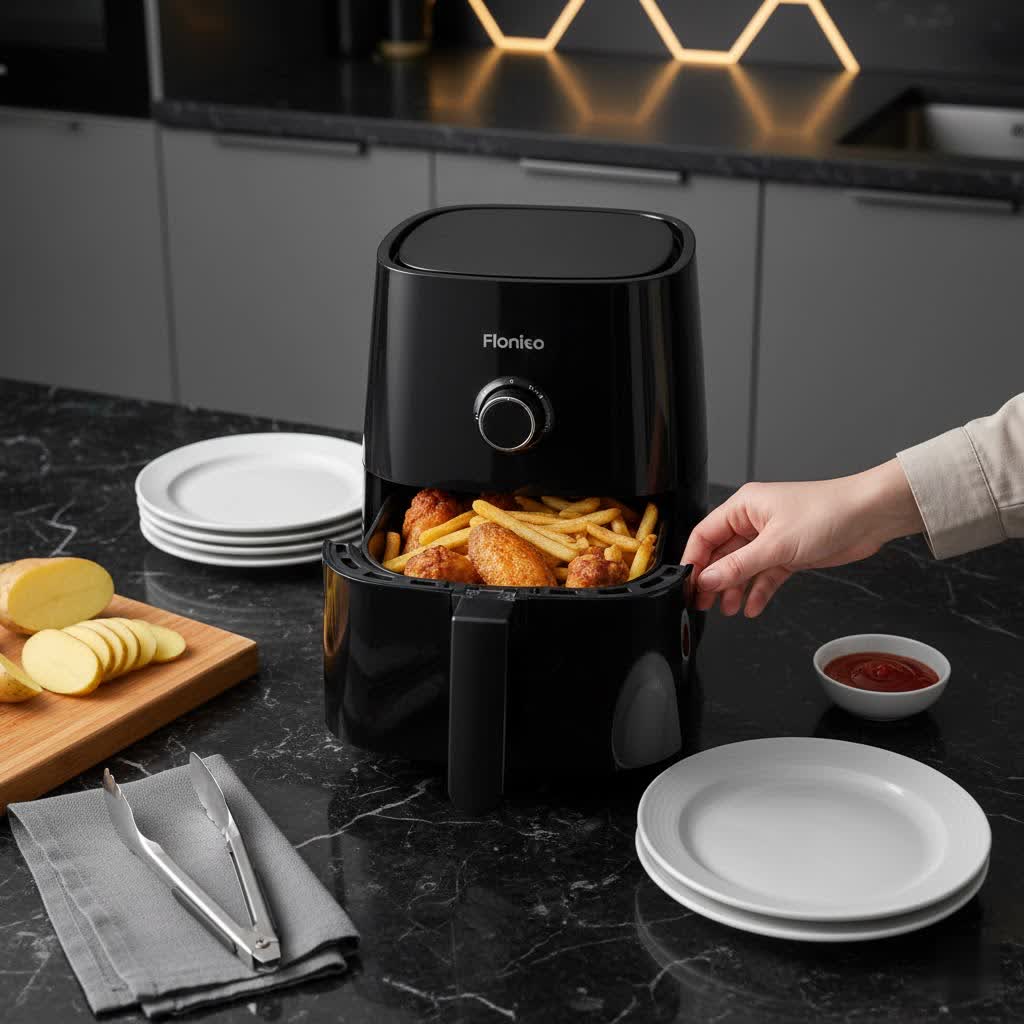
Are you curious about whether an air fryer can genuinely trim down your electricity bill? In an era where every household expense is scrutinized, especially energy costs, understanding how our kitchen appliances contribute to overall consumption is more vital than ever. Air fryers have rapidly become a beloved countertop gadget, praised for their ability to deliver crispy, “fried” food with significantly less oil. But beyond the promise of healthier meals, do these popular appliances stand up to the claim of being energy-efficient saviors? This article dives deep into the energy consumption of air fryers, comparing them to traditional cooking methods and offering practical advice to maximize your savings.
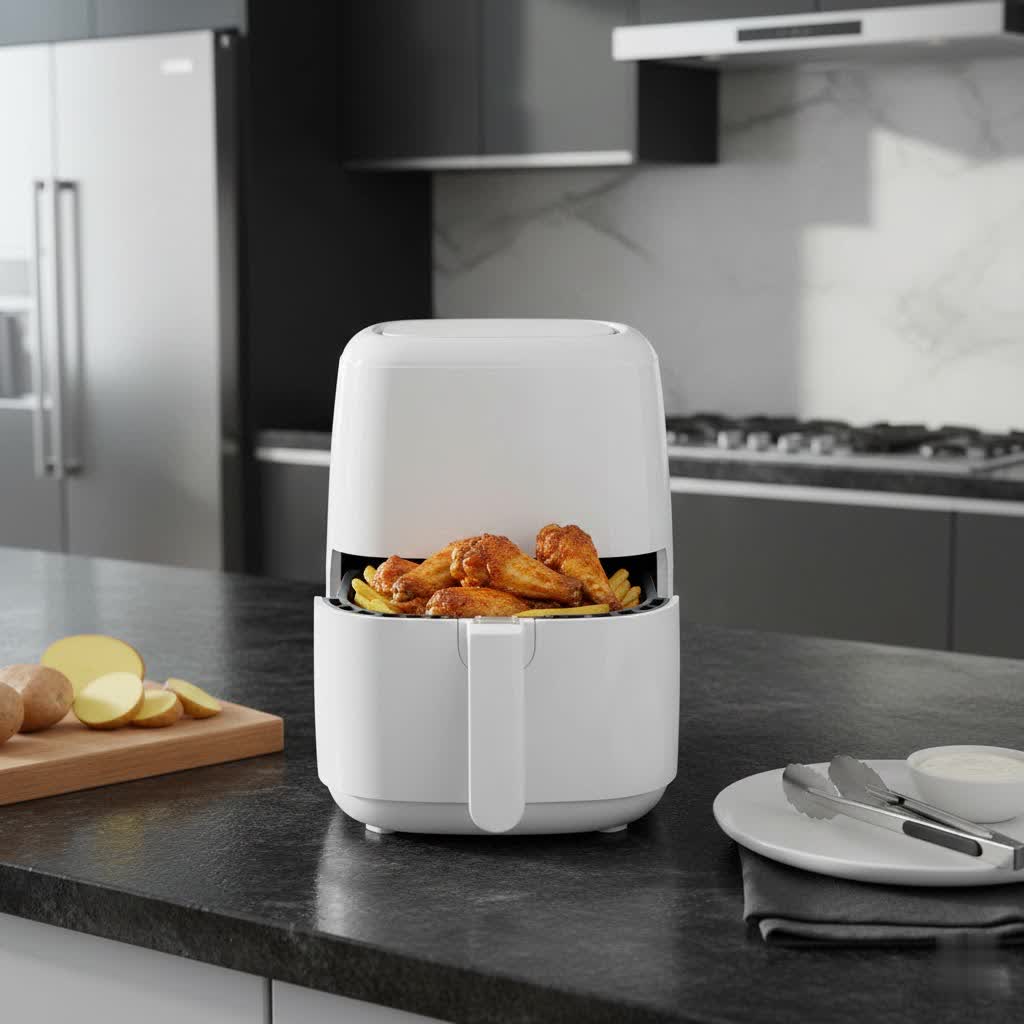
Air Fryer: Everything You Need to Know
Air fryers have transformed the way many of us approach everyday cooking, offering a versatile solution for a range of culinary tasks. Understanding what they are and how they operate is the first step to appreciating their energy profile.
What is an Air Fryer? How Does It Work?
|
Our Picks for the Best Air fryer in 2026
As an Amazon Associate I earn from qualifying purchases.
|
||
| Num | Product | Action |
|---|---|---|
| 1 | CHEFMAN Multifunctional Digital Air Fryer+ Rotisserie, Dehydrator, Convection Oven, 17 Touch Screen Presets Fry, Roast, Dehydrate, Bake, XL 10L Family Size, Auto Shutoff, Large Easy-View Window, Black |

|
| 2 | OLIXIS 3QT Air Fryer, Small Air Fryer with Digital PP Touch Panel, 400℉ Max Temp, Overheat Protection and Auto Shut-off, Nonstick and Dishwasher Safe Basket for Roast, Bake, Broil, Reheat, White |
|
| 3 | Ninja XL Air Fryer with MaxCrisp | 6.5 QT Capacity | 6-in-1 Max Crisp, Air Fry, Roast, Bake, Reheat & Dehydrate | 450°F Temp | 1750 Watts | Nonstick Basket, Crisper Plate & Recipe Guide | Grey | AF181 |
|
| 4 | Cosori 9-in-1 TurboBlaze Air Fryer 6 Qt, PFAS-Free Ceramic Coating, 90°–450°F, Precise Heating for Even Results, Air Fry, Roast, Bake, Broil, Dry, Frozen, Proof, Reheat, Keep Warm, 120V, Dark Gray |
|
| 5 | Chefman Air Fryer 8 Qt | TurboFry® 4-in-1 with 450°F Hi-Fry Option for Crispier Results | Bake, Dehydrate, Frozen | XL Nonstick Dishwasher-Safe Basket | Stainless Steel |
|
| 6 | Sweetcrispy 6.34QT Air Fryer, 8-in-1 Air Fryers Oven with Visible Window, 400℉ Fast Heating, Nonstick Dishwasher-Safe Basket, Timer & Auto-Off, Stainless Steel, Grey |
|
| 7 | Instant Pot 6QT VORTEX Plus Air Fryer, 6-in-1, Air Fry, Broil, Dehydrate, Crisp, Roast, Reheat, Bake, Dishwasher-Safe Airfryer basket, from the Makers of Instant Pot, Stainless Steel |
|
| 8 | Ninja Air Fryer with Air Crisp | 5 QT Capacity fits up to 4lbs of Fries | 4-in-1 Pro Air Fry, Roast, Reheat, Dehydrate | 400°F Max Temp | 1750 Watts | W/Nonstick Basket & Crisper Plate | Grey | AF141 |
|
| 9 | CHEFMAN 2 Qt Mini Air Fryer – Digital Space-Saving Compact Air Fryer with Nonstick and Dishwasher Safe Basket, Quick & Easy Meals in Minutes, Features Digital Timer and Shake Reminder – Black |
|
| 10 | Chefman Air Fryer – 4 QT Compact Airfryer for Quick & Easy Meals in Minutes, Features Hi-Fry Technology for Extra Crisp, Touchscreen Controls with 4 Presets, Nonstick & Dishwasher Safe Basket - Black |
|
An air fryer is a compact countertop convection oven designed to simulate deep-frying without submerging food in oil. It works by circulating hot air at high speeds around your food, typically between 300°F and 400°F (150°C to 200°C). This rapid air movement creates a “Maillard effect,” browning and crisping the food’s exterior while cooking the interior evenly. A heating element generates the heat, while a powerful fan distributes it throughout the small cooking chamber. This concentrated hot air stream ensures faster cooking times compared to conventional ovens, contributing significantly to its overall efficiency.
Benefits of Using an Air Fryer
Beyond energy considerations, air fryers offer a compelling array of advantages that make them a popular choice for many households. They promote healthier cooking by drastically reducing the need for oil, cutting down fat and calorie content by up to 70-80% in many dishes. Their rapid heating and cooking capabilities save precious time in the kitchen, often slashing cooking durations by 20-25% compared to conventional ovens. Furthermore, air fryers are incredibly versatile, capable of grilling, baking, roasting, and even dehydrating, making them a multi-functional kitchen tool. Most models are also designed for easy use and maintenance, with non-stick components often being dishwasher-safe.
Popular Air Fryer Types on the Market
Air fryers come in various designs and capacities, catering to different household needs. You’ll find basket-style models, ideal for single servings or small families, which are compact and efficient. Oven-style air fryers, on the other hand, resemble small convection ovens and often include rotisserie functions or multiple racks, making them suitable for larger families or more elaborate meals. Wattage typically ranges from 800 watts for smaller units to over 2000 watts for larger, more powerful models. Key features often include digital controls, preset cooking programs, adjustable temperature and timer settings, and even smart connectivity for remote operation.
Choosing the Right Air Fryer for Your Needs
Selecting the perfect air fryer involves more than just picking a popular brand; it requires a thoughtful assessment of your specific cooking habits and household requirements. The right choice can optimize your cooking experience and energy savings.
Determining Your Usage Needs
Before purchasing, consider how many people you typically cook for, the frequency of use, and your favorite types of meals. For singles or couples, a smaller 1-2 quart air fryer might be perfectly adequate. Families of 3-4 might find a 3-4 quart model offers the best balance of capacity and efficiency. Larger families or those who frequently entertain may need a 5-quart or larger air fryer, potentially an oven-style model, to handle bigger batches of food. If you mainly cook frozen snacks, a basic model will suffice, but if you plan on roasting whole chickens or baking, advanced features and capacity become important.
Selecting the Appropriate Capacity and Wattage
The capacity of an air fryer directly influences its ability to cook food efficiently for your household size. A unit that is too small for your needs will require multiple batches, potentially negating energy savings. Conversely, an oversized air fryer will waste energy heating an unnecessarily large chamber for small portions. Wattage, typically ranging from 800W to 2000W+, impacts how quickly the appliance heats up and maintains temperature. Higher wattage usually means faster cooking, but it’s essential to match wattage with size for optimal efficiency. For example, a 1500W air fryer used for 30 minutes consumes approximately 0.75 kWh.
Material and Design Considerations
Air fryers are generally constructed with a combination of plastic and stainless steel. Stainless steel models often boast greater durability and a more premium aesthetic, while plastic exteriors can be lighter and more affordable. Look for models with non-stick baskets and trays, as these are significantly easier to clean. The overall design should integrate well with your kitchen space, considering both its footprint on the countertop and ease of access for daily use and cleaning. A removable, dishwasher-safe basket and crisper plate are highly desirable features.
Accompanying Features
Modern air fryers come equipped with a variety of features that enhance convenience and cooking precision.
- Timer and Temperature Controls: Essential for precise cooking, allowing you to set specific durations and heat levels.
- Preset Cooking Programs: Offer one-touch convenience for common dishes like fries, chicken, or fish, automatically adjusting time and temperature.
- Shake Reminders: Alert you to toss or flip food for even cooking.
- Digital Displays: Provide clear readings and often offer more precise control than analog dials.
- Smart Connectivity: Allows you to control the air fryer remotely via a smartphone app, useful for preheating or monitoring progress.
When deciding which features are necessary, prioritize those that align with your typical cooking style and offer genuine convenience without adding unnecessary complexity or cost.
Brands and Price Ranges
The air fryer market features a wide range of reputable brands, each offering various models across different price points. Well-known brands like Ninja, Instant Pot, Philips, Cosori, and Gourmia are often lauded for their quality, performance, and reliability. Prices can vary significantly, from budget-friendly options under $50 to high-end models exceeding $300, depending on capacity, features, and brand prestige. When evaluating price, consider the long-term value, including potential energy savings, durability, and included warranty, rather than just the upfront cost.
Comparing the Best Air Fryer Models Today
To help you navigate the myriad options, let’s look at a comparative overview of typical air fryer characteristics. While specific models change frequently, understanding common benchmarks helps in your decision.
Detailed Comparison Table
| Criterion | Typical Compact Model | Typical Mid-Size Model | Typical Large/Oven Model |
|---|---|---|---|
| Brand | Generic/Budget-friendly | Cosori/Ninja/Instant Pot | Philips/Ninja Foodi/Breville |
| Capacity | 1-2 Quarts | 3-5 Quarts | 6+ Quarts |
| Wattage | 800-1200W | 1200-1700W | 1500-2000W+ |
| Features | Analog dial, basic timer | Digital, presets, shake reminder | Smart, rotisserie, multiple functions |
| Price | $40-$80 | $80-$150 | $150-$300+ |
| Pros | Compact, affordable, quick for small batches | Good balance of size/features, versatile | Large capacity, multi-functional, replaces multiple appliances |
| Cons | Limited capacity, fewer features | Can take up counter space, might be overkill for singles | Expensive, large footprint, higher initial energy draw |
Detailed Review of Each Model Type
Typical Compact Model: These air fryers are perfect for individuals or couples with limited kitchen space. Their lower wattage and smaller chamber mean they heat up incredibly fast and are highly efficient for small portions like a single serving of fries or chicken breasts. However, their limited capacity means batch cooking for more than two people is impractical.
Typical Mid-Size Model: Offering a sweet spot between capacity and countertop footprint, these models are suitable for small families (3-4 people). They often come with a good range of digital features and presets, making them user-friendly and versatile for everyday meals. They strike a good balance in terms of initial energy draw and overall efficiency for diverse cooking needs.
Typical Large/Oven Model: Designed for larger families or those who want to replace multiple appliances, these air fryers boast significant capacity and a wider range of functions, sometimes including baking, toasting, and dehydrating. While their higher wattage can mean a slightly larger initial energy draw, their ability to cook more food simultaneously often makes them more energy-efficient than a traditional oven for similar tasks. They excel at handling whole chickens or multiple components of a meal.
How Air Fryers Save Electricity
The central question for many homeowners is whether air fryers genuinely save electricity. The answer, for most everyday cooking scenarios, is a resounding yes.
Air Fryer vs. Traditional Oven Energy Consumption
Air fryers typically consume significantly less electricity than conventional electric ovens. A standard air fryer usually operates between 800 and 2,000 watts, while an electric oven can draw anywhere from 2,000 to 5,000 watts. More critically, air fryers cook food much faster and preheat in a fraction of the time – often 2-3 minutes compared to 10-15 minutes for an oven. This combination of lower wattage and reduced cooking time leads to substantial energy savings. For small to medium-sized meals, an air fryer can be 50-60% more energy-efficient than a traditional oven.
“An air fryer requires half the electricity, making it 50% more efficient than a full-size electric oven for similar cooking tasks.”
Air Fryers vs. Other Kitchen Appliances
When compared to other common kitchen appliances, air fryers hold a unique position.
- Microwaves (1000W): Generally more energy-efficient for reheating or cooking small, liquid-based items, but cannot achieve crispiness.
- Slow Cookers (300W): Highly energy-efficient for long, slow cooking at low temperatures, but serve a completely different culinary purpose.
- Toaster Ovens (1200W): Comparable to air fryers in wattage and efficiency for small items, with some overlap in function.
Air fryers are most energy-efficient when replacing oven use for small to medium portions, preparing foods that benefit from circulated hot air, and during quick cooking sessions under 45 minutes. Traditional ovens remain more efficient for large family meals, multiple dishes cooked simultaneously, or long baking processes.
Factors Affecting Air Fryer Energy Consumption
While air fryers are inherently efficient, several factors influence their actual electricity usage in your home. Understanding these can help you optimize your cooking habits for maximum savings.
Temperature Settings Impact
The temperature you select for cooking has a direct and significant impact on energy consumption. Higher temperatures require the air fryer’s heating element to work harder and more frequently, leading to increased electricity use. For instance, cooking at 450°F can consume 40-50% more electricity than cooking at 300°F. Experimenting with slightly lower temperatures or using manufacturer recommendations can lead to considerable energy savings over time.
Food Quantity and Loading
Optimal loading of the air fryer basket is crucial for efficiency. An underfilled basket wastes energy by heating empty space, while an overcrowded basket impedes hot air circulation. Overcrowding forces the air fryer to work harder and often requires longer cooking times or additional shaking, thus increasing energy consumption. Aim to fill the basket 70-80% full, ensuring food is arranged in a single layer whenever possible for the most efficient and even cooking.
Preheating Considerations
Many modern air fryer recipes and guides suggest skipping preheating for certain foods, especially if the cooking time is short. While preheating ensures food starts cooking immediately and can contribute to crispier results, it also represents an initial burst of high power consumption. For dishes that don’t strictly require precise timing or maximum crispiness, omitting the preheat can save 2-3 minutes of full-power usage. However, for frozen foods or items needing exact cooking consistency, preheating might still be beneficial.
Practical Tips for Maximizing Air Fryer Energy Savings
To truly leverage your air fryer’s energy efficiency, integrate these practical tips into your cooking routine.
Optimal Loading Techniques
- Don’t Overcrowd: Arrange food in a single layer to allow hot air to circulate freely. Overcrowding leads to uneven cooking and requires longer times.
- Fill Appropriately: Aim to fill the basket about 70-80% for maximum efficiency, avoiding both underfilling and overfilling.
- Utilize Accessories: Racks and dividers can help you cook multiple types of food or layers simultaneously, making the most of the air fryer’s internal space.
Temperature and Time Optimization
- Follow Guidelines: Start with the recipe’s recommended temperature and time, but be prepared to adjust.
- Reduce Temperature: For many recipes, reducing the temperature by 25°F from a conventional oven setting is a good starting point, given the air fryer’s intense circulating heat.
- Check Early: Monitor your food frequently, especially towards the end of the cooking cycle, to prevent overcooking and avoid unnecessary energy use.
- Skip Preheating: For foods with longer cooking times or those that don’t demand immediate crisping, consider skipping the preheat phase.
Maintenance for Peak Efficiency
Regular maintenance is key to ensuring your air fryer operates at its most efficient for years to come.
- Clean Regularly: After each use, clean the basket and tray to prevent grease and food particles from building up, which can hinder airflow.
- Wipe Heating Element: Periodically wipe down the heating element (when cool) to remove any accumulated residue.
- Check Air Vents: Ensure the air intake and exhaust vents are free from dust and obstructions for optimal air circulation.
Where to Buy a Reliable Air Fryer?
When purchasing an air fryer, reliability and post-purchase support are just as important as the initial cost.
- Major Electronics Retailers: Stores like Best Buy, Walmart, Target, and Costco often carry a wide selection of air fryers from various brands, offering competitive prices and sometimes extended warranties.
- Online Marketplaces: Amazon, eBay, and the official websites of brands like Ninja, Cosori, and Instant Pot provide convenience, a vast array of models, and customer reviews.
- Department Stores: Retailers such as Macy’s or Kohl’s may also have kitchen appliance sections with air fryer options, particularly during sales events.
Always check product reviews, warranty information, and return policies before making a purchase. Look for reputable sellers to ensure you’re getting an authentic product with proper customer support.
Tips for Better Air Frying
Beyond energy savings, these techniques can elevate your air-fried dishes to new heights.
Delicious and Easy Air Fryer Recipes
Air fryers are fantastic for a multitude of dishes:
- Crispy French Fries: Toss with a tablespoon of oil and seasonings, then air fry at 375°F (190°C) for 15-20 minutes, shaking halfway.
- Perfect Chicken Wings: Season and air fry at 380°F (195°C) for 20-25 minutes, flipping every 5-7 minutes until golden and crispy.
- Roasted Vegetables: Broccoli, Brussels sprouts, or asparagus can be tossed with oil and spices, then air fried at 375°F (190°C) for 10-15 minutes.
- Salmon Fillet: Lightly season and air fry at 400°F (200°C) for 5-7 minutes for a flaky, tender result.
Adjusting Temperature and Time for Even Cooking
Achieving perfectly cooked, evenly browned food in an air fryer often involves minor adjustments. Since air fryers cook faster and more intensely than conventional ovens, you may need to reduce the cooking temperature by about 25°F and check for doneness sooner than traditional recipes suggest. For items like chicken wings or fries, shaking the basket halfway through the cooking process is essential to ensure all surfaces are exposed to the hot air, preventing hot spots and promoting uniform crispiness. For thicker items, consider using a meat thermometer to ensure they reach safe internal temperatures without overcooking the exterior.
Buying Guide
Understanding the fundamental elements when buying an air fryer will lead to a more satisfying and energy-efficient kitchen experience.
Key Factors to Consider When Buying an Air Fryer
- Capacity: Match the size to your household needs (e.g., 1-2 quarts for singles, 3-5 quarts for small families).
- Wattage: Higher wattage can mean faster cooking, but ensure it aligns with the unit’s size for efficiency.
- Features: Prioritize essential functions like precise temperature and timer controls, and consider convenience features like presets and smart connectivity.
- Ease of Cleaning: Look for non-stick, dishwasher-safe components for hassle-free maintenance.
- Brand Reputation & Warranty: Choose reputable brands known for durability and good customer support.
- Budget: Balance features and capacity with your financial limits, remembering that energy savings contribute to long-term value.
Ultimately, the best air fryer is one that fits your lifestyle, culinary ambitions, and helps you cook smarter, not harder.
Conclusion
Air fryers are indeed energy-efficient appliances, typically consuming between 800-2000 watts and costing approximately $0.05-$0.35 per hour to operate. Their ability to cook food faster and preheat quicker means they use significantly less electricity than traditional ovens for small to medium-sized meals, potentially reducing your monthly energy bills. While not always the most efficient compared to dedicated slow cookers or microwaves for specific tasks, their versatility and healthier cooking method make them a valuable addition to many kitchens. By choosing the right size, optimizing loading, and managing temperature effectively, you can maximize your air fryer’s energy-saving potential.
Considering your household size, cooking preferences, and local electricity rates, could an air fryer be the missing piece to a more energy-efficient and enjoyable cooking experience in your home?
Frequently Asked Questions
How much does it cost to run an air fryer for one hour?
The cost to run a typical 1,500W air fryer for one hour generally ranges from $0.10 to $0.84, depending on your specific electricity rates and geographic location. For example, in some US regions, a 1,500W air fryer used for an hour might cost between $0.18 and $0.63, with Hawaii having higher rates and Washington state lower ones.
Do air fryers use more electricity than regular ovens?
No, air fryers typically use significantly less electricity than regular ovens. Air fryers usually consume around 1,500W, whereas electric ovens can draw 3,000W or more. Additionally, air fryers preheat in just 2-3 minutes compared to 10-15 minutes for ovens, making them 50-60% more energy-efficient for small to medium-sized meals.
What size air fryer is most energy efficient?
The most energy-efficient air fryer size depends on your household’s cooking needs. Small air fryers (1-2 quarts) drawing 800-1,300W are most efficient for 1-2 people, as they heat a smaller space. For families of 3-4, a medium air fryer (3-4 quarts) with 1,200-1,800W offers a better balance. Choosing the appropriate size prevents wasting energy by heating unused capacity.
Can I reduce my air fryer’s electricity consumption?
Yes, you can significantly reduce your air fryer’s electricity consumption by implementing several best practices. These include filling the basket 70-80% full, reducing the cooking temperature by about 25°F from oven recipes, skipping preheating when it’s not strictly necessary, and regularly cleaning the air vents. Lower temperatures offer the most substantial savings, with 300°F using 40-50% less electricity than 450°F.