Stepping into the world of air frying opens up a realm of healthier, faster, and incredibly convenient cooking. However, the first decision many home chefs face is often the most perplexing: choosing between a compact basket-style air fryer and a versatile oven-style model. Both promise crispy perfection with less oil, but their designs and capabilities cater to different culinary needs and kitchen setups. Understanding their unique advantages and disadvantages is crucial to finding the perfect appliance that truly enhances your cooking routine and fits seamlessly into your lifestyle. Let’s delve into the specifics to help you make an informed decision and discover your ideal air fryer companion.
Air Fryer: All You Need to Know
What is an Air Fryer? How Does it Work?
|
Our Picks for the Best Air fryer in 2026
As an Amazon Associate I earn from qualifying purchases.
|
||
| Num | Product | Action |
|---|---|---|
| 1 | Cosori 9-in-1 TurboBlaze Air Fryer 6 Qt, PFAS-Free Ceramic Coating, 90°–450°F, Precise Heating for Even Results, Air Fry, Roast, Bake, Broil, Dry, Frozen, Proof, Reheat, Keep Warm, 120V, Dark Gray |

|
| 2 | Ninja Air Fryer with Air Crisp | 5 QT Capacity fits up to 4lbs of Fries | 4-in-1 Pro Air Fry, Roast, Reheat, Dehydrate | 400°F Max Temp | 1750 Watts | W/Nonstick Basket & Crisper Plate | Grey | AF141 |
|
| 3 | Sweetcrispy 6.34QT Air Fryer, 8-in-1 Air Fryers Oven with Visible Window, 400℉ Fast Heating, Nonstick Dishwasher-Safe Basket, Timer & Auto-Off, Stainless Steel, Grey |
|
| 4 | Ninja XL Air Fryer with MaxCrisp | 6.5 QT Capacity | 6-in-1 Max Crisp, Air Fry, Roast, Bake, Reheat & Dehydrate | 450°F Temp | 1750 Watts | Nonstick Basket, Crisper Plate & Recipe Guide | Grey | AF181 |
|
| 5 | Chefman Air Fryer – 4 QT Compact Airfryer for Quick & Easy Meals in Minutes, Features Hi-Fry Technology for Extra Crisp, Touchscreen Controls with 4 Presets, Nonstick & Dishwasher Safe Basket - Black |
|
| 6 | Instant Pot 6QT VORTEX Plus Air Fryer, 6-in-1, Air Fry, Broil, Dehydrate, Crisp, Roast, Reheat, Bake, Dishwasher-Safe Airfryer basket, from the Makers of Instant Pot, Stainless Steel |
|
| 7 | CHEFMAN 2 Qt Mini Air Fryer – Digital Space-Saving Compact Air Fryer with Nonstick and Dishwasher Safe Basket, Quick & Easy Meals in Minutes, Features Digital Timer and Shake Reminder – Black |
|
| 8 | CHEFMAN Multifunctional Digital Air Fryer+ Rotisserie, Dehydrator, Convection Oven, 17 Touch Screen Presets Fry, Roast, Dehydrate, Bake, XL 10L Family Size, Auto Shutoff, Large Easy-View Window, Black |
|
| 9 | Chefman Air Fryer 8 Qt | TurboFry® 4-in-1 with 450°F Hi-Fry Option for Crispier Results | Bake, Dehydrate, Frozen | XL Nonstick Dishwasher-Safe Basket | Stainless Steel |
|
| 10 | OLIXIS 3QT Air Fryer, Small Air Fryer with Digital PP Touch Panel, 400℉ Max Temp, Overheat Protection and Auto Shut-off, Nonstick and Dishwasher Safe Basket for Roast, Bake, Broil, Reheat, White |
|
An air fryer is a countertop kitchen appliance that cooks food by circulating hot air around it, mimicking the results of deep-frying with significantly less oil. A heating element and a powerful fan work in tandem to rapidly circulate hot air, creating a convection effect that crisps the exterior of foods while keeping the inside tender and juicy. This process, often referred to as “rapid air technology,” ensures even cooking and browning, offering a healthier alternative to traditional frying methods.
Benefits of Using an Air Fryer
Air fryers have become kitchen staples for good reason, offering a multitude of benefits. They promote healthier eating by requiring minimal oil, often just a tablespoon or two, dramatically reducing fat content compared to deep-frying. Beyond health, they are incredibly efficient, preheating and cooking food much faster than conventional ovens, saving valuable time on busy days. Their versatility allows you to air fry, roast, grill, and even bake a wide array of dishes, making them a multi-functional addition to any kitchen.
Popular Air Fryer Types on the Market
While various models exist, the air fryer market is primarily dominated by two distinct designs: the basket air fryer and the oven-style air fryer. The basket model, often recognized by its drawer-like design, is typically more compact. In contrast, the oven-style air fryer resembles a small convection oven or toaster oven, featuring a drop-down door and multiple racks. Each type offers a unique user experience and excels at different tasks, making the choice between them a matter of personal cooking habits and kitchen space.
Basket Air Fryers: Compact Powerhouses
Key Features and Design
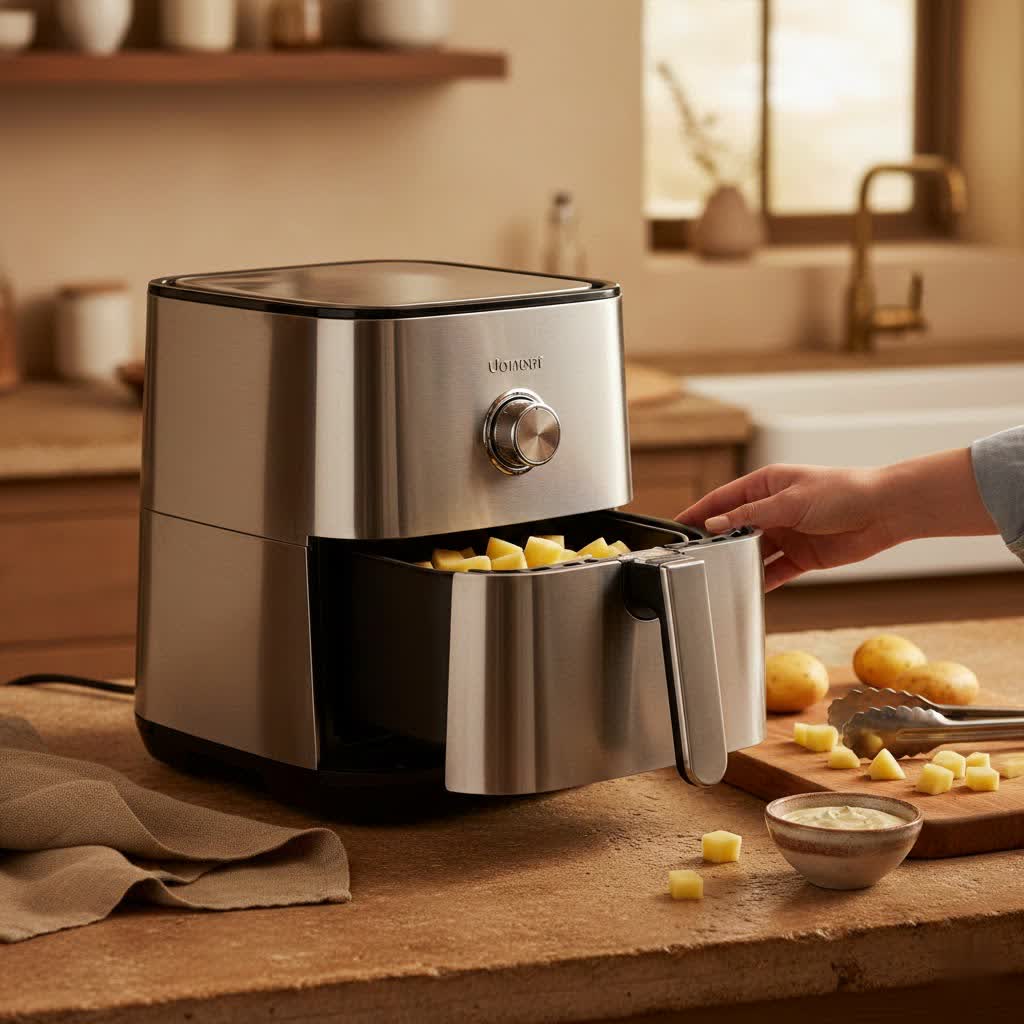
Basket air fryers are characterized by their simple, compact design, typically featuring a pull-out drawer with a removable basket. The heating element and fan are usually located at the top of the unit, blowing hot air down and around the food. Most models have intuitive controls, ranging from simple analog dials to basic digital interfaces, making them straightforward to operate. Their compact footprint means they occupy less counter space, and their lightweight nature allows for easy storage when not in use.
Pros of Basket Air Fryers
Basket air fryers shine for their speed and efficiency, particularly for smaller portions. They tend to cook food faster due to a more concentrated cooking chamber, leading to exceptionally crispy results for items like French fries, chicken wings, and frozen snacks. The pull-out basket design makes it incredibly easy to shake or toss food mid-cooking, ensuring even crisping without opening a door. They are generally simpler to clean, as many baskets are non-stick and dishwasher-safe, often having fewer nooks and crannies than their oven-style counterparts. Furthermore, basket models are typically more affordable, making them an excellent entry point into air frying.
Cons of Basket Air Fryers
The primary limitation of basket air fryers is their capacity. They are best suited for individuals, couples, or small families, as cooking larger meals often requires multiple batches. This can extend overall cooking time and diminish convenience. Their design also restricts the types of food that can be easily prepared; baking delicate items, cooking layered dishes, or roasting a whole chicken can be challenging or impossible due to space constraints and the need for a flat cooking surface.
Oven-Style Air Fryers: Versatility and Capacity
Key Features and Design
Oven-style air fryers resemble miniature countertop ovens, featuring a front door that opens to reveal multiple cooking racks or trays. This design offers a significantly larger cooking capacity and often includes additional functionalities beyond basic air frying. Many models come equipped with rotisserie spits for roasting whole chickens or meats, and some even offer dehydrating, toasting, or slow-cook settings. Digital controls, pre-set programs, and interior lighting are common features, providing more advanced cooking options and better visibility of your food as it cooks.
Pros of Oven-Style Air Fryers
The main advantage of oven-style air fryers is their superior capacity and versatility. They are ideal for larger families, meal prepping, or cooking multiple dishes simultaneously on different racks. Their multi-functional capabilities mean you can roast, bake, toast, and even dehydrate, potentially replacing several other kitchen appliances. The rotisserie feature, often included, allows for evenly cooked, self-basting meats that are difficult to achieve in a basket model. The glass door also provides a clear view of your food, allowing you to monitor progress without interrupting the cooking process.
Cons of Oven-Style Air Fryers
While versatile, oven-style air fryers generally require more counter space due to their bulkier design. They can be more challenging and time-consuming to clean, especially if grease splatters on the interior walls, door, or the often-intricate rotisserie cage. Some users report that oven-style models might take slightly longer to preheat and cook certain foods compared to their basket counterparts, and food on different racks may require rotation for even cooking. They also tend to be more expensive upfront due to their larger size and expanded feature sets.
Choosing Your Ideal Air Fryer: A Comparative Guide
Deciding between a basket and oven-style air fryer ultimately comes down to aligning the appliance’s capabilities with your specific kitchen needs and cooking habits. Consider these factors carefully before making your purchase.
Assessing Your Usage Needs
Start by considering your household size and cooking frequency. For individuals or couples who mostly cook small portions, frozen snacks, or single-serving meals, a basket air fryer is often more practical. If you have a larger family, regularly entertain guests, or enjoy meal prepping, the greater capacity of an oven-style air fryer will be invaluable. Also, think about the types of dishes you envision making – simple crispy items versus more complex roasting or baking.
Capacity and Power Considerations
Basket air fryers typically range from 2 to 6 quarts, perfect for quick, smaller tasks. Oven-style models can go up to 26 quarts or more, accommodating whole chickens, multiple trays of vegetables, or even a small pizza. While basket fryers often cook small batches faster, oven-style units are more energy-efficient for larger quantities, preventing the need for sequential cooking that a smaller unit would require. Evaluate how much food you typically prepare at once to choose the appropriate size.
Material, Design, and Maintenance
Both styles come in various materials, including stainless steel and plastic, impacting durability and aesthetics. Focus on ease of cleaning; non-stick baskets and dishwasher-safe components are huge time-savers. Basket air fryers generally simplify cleanup, as their main cooking component is a single, often non-stick, removable basket. Oven-style air fryers, with multiple racks, crumb trays, and larger interiors, require more thorough and frequent cleaning to prevent grease buildup.
Essential Features to Look For
Consider features that enhance your cooking experience. Digital controls offer precise temperature and time settings, while pre-set programs can simplify common tasks. An automatic shut-off feature is a standard safety measure. For oven-style models, look for a rotisserie function, dehydrating capabilities, and interior lighting if these advanced features appeal to your cooking style. A transparent window on basket models, though less common, can be a plus.
Brand Reputation and Price Point
Research reputable brands known for their quality and customer support, such as Instant, Ninja, Cosori, or Philips. Basket air fryers are generally more budget-friendly, ranging from $50 to $150. Oven-style air fryers, with their larger size and multi-functionality, typically cost between $100 and $300, or even more for high-end models. Decide on a budget that aligns with the features and capacity you need.
Basket vs. Oven Air Fryer: Detailed Comparison Table
| Criteria | Basket Air Fryer | Oven-Style Air Fryer |
|---|---|---|
| Capacity | Smaller (2-6 quarts), ideal for 1-2 people | Larger (10-26+ quarts), suitable for families/meal prep |
| Footprint | Compact, fits small kitchens | Bulkier, requires more counter space |
| Cooking Speed | Generally faster for small batches | Can be slower for “air frying,” faster for large batches vs. conventional oven |
| Crispiness | Excellent, easy to shake food for even results | Good, may require rack rotation for even crisping |
| Versatility | Primarily air frying, some limited baking | Multi-functional: air fry, roast, bake, dehydrate, toast, rotisserie |
| Ease of Cleaning | Easier, often dishwasher-safe basket/tray | More challenging, multiple racks, interior wiping |
| Visibility | Limited (must open drawer to check food) | Good (glass door allows monitoring) |
| Price | More affordable (typically $50-$150) | Higher price point (typically $100-$300+) |
| Best For | Quick snacks, small portions, single meals | Large meals, meal prep, whole chickens, diverse cooking |
Detailed Evaluation of Each Style
Basket Air Fryers excel in simplicity and speed for specific tasks. Their focused airflow means items like frozen fries or chicken nuggets get incredibly crispy in a short amount of time. The shake-and-toss method is unrivaled for ensuring every surface is exposed to the hot air. However, if you’re attempting a sheet pan dinner or roasting a small chicken, you’ll quickly hit their limitations. Cleaning is usually a breeze, which is a major plus for daily use.
Oven-Style Air Fryers are the workhorses of air frying. They offer a “mini-oven” experience, allowing you to cook multiple components of a meal at once or tackle larger items like a full roast. The added functions—from rotisserie to dehydrating—provide immense value for those who want a truly versatile appliance. While they might not achieve the absolute quickest crisp for a handful of fries, their ability to handle diverse cooking methods and larger quantities makes them indispensable for busy households. The trade-offs are usually counter space and a more involved cleaning routine.
Tips for Maximizing Your Air Fryer Experience
Regardless of the style you choose, mastering a few essential tips will help you get the most out of your air fryer.
How to Use Your Air Fryer Safely and Effectively
Always preheat your air fryer for a few minutes before adding food; this ensures consistent cooking temperatures and better results. Avoid overcrowding the basket or racks, as this restricts airflow and leads to uneven cooking and less crispiness. For basket models, remember to shake the basket frequently, typically every 5-7 minutes, for optimal crisping. For oven styles with multiple racks, rotate them occasionally to ensure all food cooks evenly. Always consult your appliance’s manual for specific safety instructions and recommended cooking guidelines.
Cleaning and Maintaining Your Air Fryer
Regular cleaning is vital for the longevity and performance of your air fryer. After each use, allow the unit to cool completely before cleaning. For basket air fryers, remove the basket and drawer and wash them with warm, soapy water; many are dishwasher-safe. For oven-style models, clean the racks and crumb tray after every use, and wipe down the interior and door with a damp cloth to prevent grease buildup. For stubborn grease, a paste of baking soda and water can work wonders. Ensure all parts are thoroughly dry before reassembling.
Delicious Recipes for Both Styles
Both air fryer styles open up a world of culinary possibilities. Basket air fryers are perfect for crispy classics like French fries, sweet potato fries, chicken nuggets, chicken wings, and mozzarella sticks. You can also quickly roast small batches of vegetables like broccoli or Brussels sprouts. Oven-style air fryers excel at larger preparations, including roasted chicken or pork tenderloin, baked potatoes, homemade pizzas, and even baking small cakes or muffins. Their dehydrating function is great for fruit leathers or jerky.
Buying Guide
Factors to Consider Before Purchase
When making your final decision, reflect on these key considerations:
- Household Size & Cooking Volume: How many people do you cook for daily?
- Available Counter Space: Can your kitchen accommodate a larger appliance?
- Desired Versatility: Do you only need air frying, or do you want to roast, bake, and dehydrate?
- Budget: What is your comfortable price range for a new appliance?
- Ease of Cleaning: How much time and effort are you willing to dedicate to maintenance?
- Specific Features: Is a rotisserie, digital presets, or a viewing window important to you?
Conclusion
The choice between a basket air fryer and an oven-style air fryer ultimately boils down to your individual needs and lifestyle. Basket models are champions of speed, crispiness, and convenience for smaller portions, making them perfect for compact kitchens and quick meals. Oven-style air fryers, on the other hand, offer unparalleled versatility and capacity, transforming into a multi-functional culinary hub for families and adventurous cooks.
By carefully considering your family size, cooking habits, available kitchen space, and desired features, you can confidently select the air fryer that will revolutionize your meal preparation. Whichever you choose, both styles promise a delicious journey towards healthier and more efficient cooking. Which air fryer best aligns with your culinary aspirations?
Frequently Asked Questions
What is the main difference between basket and oven air fryers?
The main difference lies in capacity and design. Basket air fryers are compact with a pull-out drawer, ideal for small batches, while oven-style air fryers resemble small convection ovens with multiple racks, offering larger capacity and more diverse cooking functions like roasting and baking.
Which air fryer style is better for families?
Oven-style air fryers are generally better for families due to their larger cooking capacity and ability to accommodate multiple dishes or larger items like whole chickens, reducing the need for cooking in batches.
Are basket air fryers easier to clean?
Yes, basket air fryers are typically easier to clean. They have fewer components, and the basket itself is often non-stick and dishwasher-safe, simplifying post-cooking cleanup compared to the racks and interior of an oven-style unit.
Do oven air fryers cook food faster?
Not necessarily for individual “air frying” tasks. While they preheat quickly, basket air fryers often cook small portions of classic air-fried foods like fries faster due to more concentrated airflow. However, oven-style units cook larger quantities more efficiently than a traditional oven.
Can I bake in a basket air fryer?
Yes, you can bake small items like muffins or cookies in a basket air fryer using appropriate bakeware, but the space is very limited. Oven-style air fryers are much better suited for more extensive baking tasks, resembling a miniature oven.
Which air fryer is more energy efficient?
Basket air fryers are generally more energy-efficient for small, quick tasks due to their smaller cooking chamber and faster cooking times. For larger meals that would typically go in a conventional oven, an oven-style air fryer is significantly more energy-efficient than using your full-sized oven.
