The air fryer has transformed kitchens globally, offering a healthier, quicker way to achieve that irresistible crispy texture with minimal oil. From golden fries to perfectly roasted vegetables, its versatility is undeniable. Yet, as you delve deeper into air frying, a common question often arises: “Can I put aluminum foil in an air fryer?” This seemingly simple query carries significant safety implications and practical considerations that every home cook should understand.
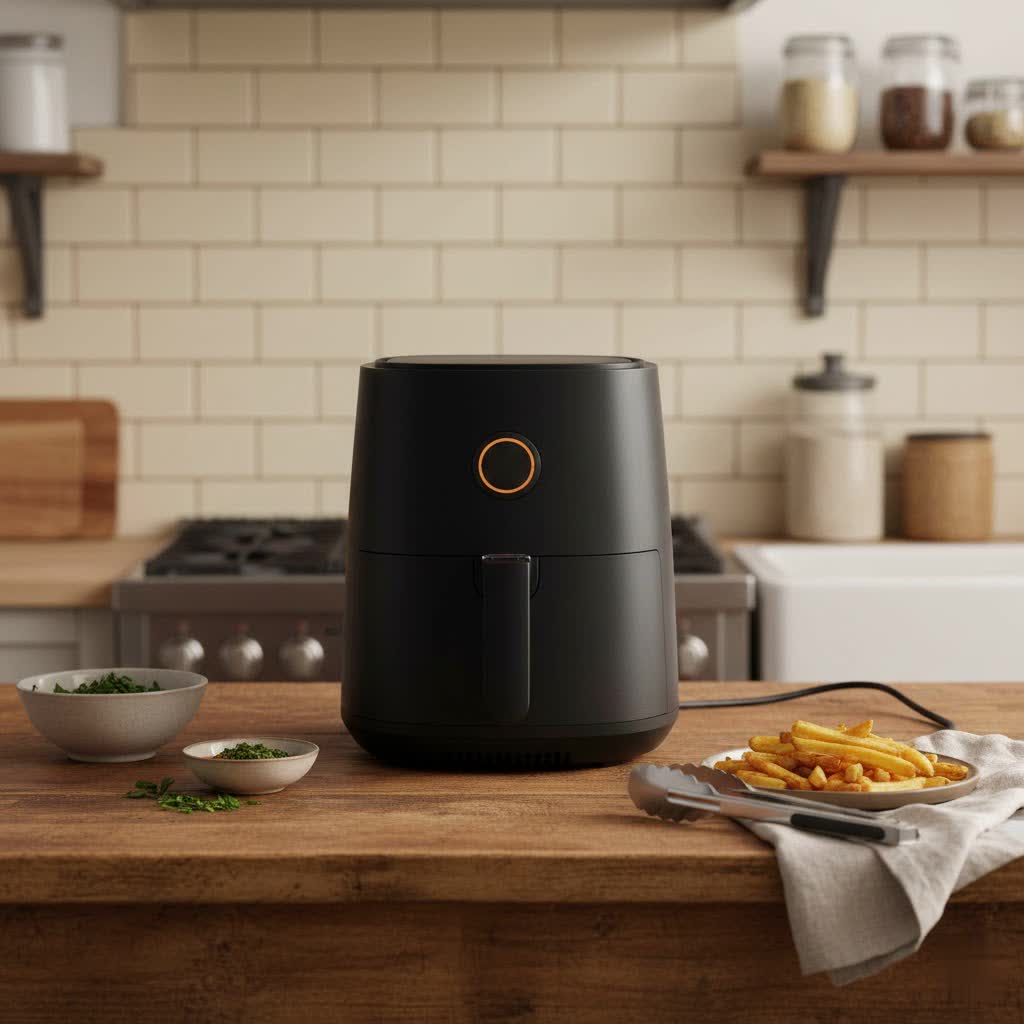
The allure of using aluminum foil in an air fryer is clear: easier cleanup, preventing food from sticking, and even protecting delicate items. However, an air fryer operates differently from a conventional oven, relying on rapid, circulating hot air. This unique mechanism means that while aluminum foil can be used, it requires careful application to ensure both safety and optimal cooking results. Understanding the “dos and don’ts” will empower you to leverage your air fryer to its full potential without compromising your appliance or your food.
Air Fryer: What You Need to Know
What is an Air Fryer and How Does It Work?
Table is empty.An air fryer is essentially a compact countertop convection oven. Instead of submerging food in oil, it cooks by circulating superheated air rapidly around the food. A powerful fan, typically located near the heating element, drives this hot air, creating a convection effect that crisps food quickly and evenly. This process mimics the results of deep frying, but with significantly less oil, making it a popular choice for health-conscious individuals and those seeking convenience. The design, often featuring a basket with perforations, is crucial for allowing this hot air to flow freely, ensuring food cooks uniformly and develops that desirable crisp exterior.
Benefits of Using an Air Fryer
The benefits of incorporating an air fryer into your cooking routine are numerous. Primarily, it offers a healthier alternative to traditional frying methods, drastically reducing the amount of oil needed for many dishes. This not only cuts down on fat content but also makes cleanup less greasy. Air fryers are also celebrated for their speed and efficiency. Their powerful convection heating can cook food faster than a conventional oven, saving you precious time in the kitchen. Moreover, they are incredibly versatile, capable of everything from roasting and baking to reheating leftovers, all while delivering consistently crispy results that many people crave.
Using Aluminum Foil in Your Air Fryer: The Essentials
Can You Put Aluminum Foil in an Air Fryer? The Short Answer
Yes, you can generally use aluminum foil in an air fryer, but it comes with a crucial caveat: you must proceed with caution and follow specific safety guidelines. An air fryer is fundamentally a small convection oven, and people have safely used foil in convection ovens for a long time. The key differences lie in the air fryer’s powerful fan and compact design, which amplify certain risks if foil is not used correctly. Never assume that because it works in a conventional oven, the same rules apply without modification.
The Science Behind Air Fryer Heat Distribution and Foil
Air fryers rely on vigorous hot air circulation for efficient and even cooking. This rapid airflow is what creates the crispy texture associated with air-fried foods. When aluminum foil is introduced, it can disrupt this delicate balance. If too much of the basket’s perforated surface is covered, the hot air cannot circulate effectively around the food. This leads to uneven cooking, potentially leaving some parts soggy while others remain undercooked. Furthermore, if the foil is not properly secured, the strong fan can cause it to lift and come into contact with the heating element, posing a serious fire hazard or causing damage to the appliance.
Benefits of Using Foil in an Air Fryer
Despite the precautions, aluminum foil can be a valuable tool in your air fryer when used correctly. One of its primary advantages is making cleanup significantly easier. By lining the basket or wrapping food, foil can catch drips, crumbs, and sauces, preventing them from sticking to the air fryer’s surfaces. This is especially helpful for messy foods or dishes that tend to produce a lot of residue. Foil also helps prevent certain foods from sticking to the basket, making removal smoother. Additionally, it can be used to create small packets or slings, keeping delicate foods together or retaining flavorful juices around items like chicken or fish, contributing to a more tender and moist result.
Potential Risks and Drawbacks
While convenient, using aluminum foil incorrectly in an air fryer carries several risks. The most significant is the potential for fire or appliance damage if the foil comes into contact with the heating element. The powerful fan can easily dislodge lightweight, unsecured foil, propelling it upwards. Another drawback is the obstruction of airflow; if foil covers too many perforations in the air fryer basket, it can prevent the hot air from circulating properly, resulting in unevenly cooked food or a lack of crispness. There’s also a concern about chemical leaching: acidic foods, such as tomatoes, citrus fruits, or dishes containing vinegar, can react with aluminum foil at high temperatures, potentially causing tiny amounts of aluminum to transfer into your food and affecting its flavor.
Best Practices for Safe Air Fryer Foil Use
Choosing the Right Foil and Quantity
When selecting aluminum foil for your air fryer, opt for standard-grade household foil. Heavy-duty foil is generally not necessary and can be harder to mold, potentially increasing the risk of airflow obstruction. The quantity and size of the foil are paramount for safety and performance. Always trim the foil to fit the specific area you intend to line, ensuring it does not extend up the sides of the basket or cover the vents. Leave ample space around the edges and avoid using large, crumpled sheets that could impede air circulation. Smaller pieces are easier to manage and less likely to interfere with the air fryer’s fan or heating element.
Ensuring Proper Airflow
Maintaining proper airflow is the cornerstone of effective air frying. When using foil, it is critical not to block the air fryer’s perforations or vents. These holes are designed to allow hot air to circulate freely around your food, ensuring even cooking and crisping. If you line the entire bottom of the basket, you prevent this essential circulation, leading to steam buildup and soggy results. Instead, cut or shape the foil to cover only the bottom surface directly beneath your food, leaving a clear margin around the sides. Consider piercing a few small holes in the foil itself if you are concerned about restricting air movement.
Avoiding Acidic Foods
A critical safety consideration when using aluminum foil in an air fryer is its reaction with acidic ingredients. Foods high in acid, such as tomatoes, citrus fruits (like lemons or limes), or dishes made with vinegar, can cause a chemical reaction with the aluminum. This reaction can lead to small amounts of aluminum leaching into your food, which some experts advise against for health reasons. It can also impart an unwanted metallic taste to your meal. For these types of foods, it is always safer to opt for alternatives like parchment paper or silicone liners, which are non-reactive.
Securing the Foil
The rapid circulation of air within an air fryer means that lightweight, unsecured foil can easily be blown around. If the foil flies up and touches the heating element, it can melt, spark, or even cause a fire. To prevent this, always ensure the foil is weighed down by the food you are cooking. Never preheat your air fryer with an empty piece of foil in the basket. Place the food on top of the foil immediately after positioning it. For items that might not fully secure the foil, you can gently fold the edges around the food or use a small, heat-safe trivet to hold it in place, though exercise caution to not obstruct airflow.
Common Mistakes to Avoid
Overfilling the Basket
One of the most common mistakes air fryer users make, whether with or without foil, is overfilling the basket. Air fryers are designed to cook food in a single layer, allowing hot air to circulate all around each piece. When the basket is packed too tightly, the airflow is restricted, leading to uneven cooking, steaming instead of crisping, and longer cooking times. This issue is exacerbated when foil is also present, as it further reduces the available space for air movement. Always cook in batches if necessary, ensuring there’s enough space for the hot air to do its job.
Not Preheating Properly
While preheating an air fryer with empty foil is a fire hazard, failing to preheat the air fryer at all can also affect cooking results. Many recipes call for preheating to ensure the air fryer reaches the desired temperature, promoting even cooking and crispy textures from the start. However, if you are using foil, always ensure the food is placed on top of it before starting the cooking cycle, especially during preheating. If you only put empty foil in during the preheat, the powerful fan can easily lift it, causing it to come into contact with the heating element.
Leaving Foil Unsecured
Leaving aluminum foil unsecured in your air fryer basket is a significant safety risk. The robust fan inside the air fryer can easily lift loose foil, causing it to flap around and potentially touch the heating element. This contact can result in arcing, sparks, melting, or even a fire, damaging your appliance and posing a danger to your kitchen. Always ensure that the foil is completely covered by food, or is otherwise firmly held down, preventing any possibility of it becoming airborne during the cooking process. A securely placed piece of foil will remain safely in position throughout the entire cooking cycle.
Air Fryer Foil Alternatives
Parchment Paper
Parchment paper is a popular and often preferred alternative to aluminum foil in an air fryer, particularly for its non-reactive properties and non-stick surface. Unlike foil, parchment paper will not react with acidic foods, eliminating concerns about metallic tastes or chemical leaching. Many parchment paper liners designed for air fryers come perforated, which is excellent for maintaining optimal airflow and ensuring food gets crispy. Parchment paper is generally heat-resistant up to about 450°F (232°C), which covers most air fryer temperature ranges. However, like foil, parchment paper must be weighed down by food to prevent it from flying up and potentially burning on the heating element. Never use wax paper, as its coating can melt and is not suitable for high heat.
Silicone Liners and Mats
Silicone liners and mats are excellent reusable alternatives to disposable aluminum foil or parchment paper. Made from food-grade silicone, these liners are typically heat-resistant, non-stick, and incredibly easy to clean. Many are dishwasher-safe, offering a convenient and eco-friendly option for preventing food from sticking and catching drips. Silicone liners come in various shapes and sizes, including baskets, cups, and flat mats, allowing you to choose what best fits your air fryer model and cooking needs. They are sturdy enough not to be blown around by the air fryer’s fan, providing a stable cooking surface without obstructing airflow if properly sized and designed with perforations.
Other Safe Options
Beyond parchment paper and silicone liners, other safe alternatives can enhance your air frying experience and minimize cleanup. Using a light coating of cooking oil or cooking spray directly on the air fryer basket can prevent food from sticking and make washing up easier. This method is often sufficient for many non-battered items. Additionally, some specialty air fryer accessories, such as mesh racks or small oven-safe dishes made of ceramic or glass, can be used. These options allow for excellent airflow and are typically robust enough to handle the air fryer’s environment without issues. Always check that any accessory you use is labeled as oven-safe or air fryer-safe and fits appropriately within your appliance.
Buying Guide
Factors to Consider When Using Air Fryer Liners
Choosing the right air fryer liner, whether disposable or reusable, involves several key considerations to ensure safety, efficiency, and desired cooking results. First, always prioritize heat resistance; ensure the liner can withstand the maximum temperature of your air fryer without burning or melting. Next, airflow is critical: look for liners that are perforated or designed to allow hot air to circulate freely around your food. Blocking airflow will hinder crisping and even cooking.
Material is another important factor. Parchment paper is excellent for acidic foods and easy cleanup but is single-use. Silicone liners offer reusability, durability, and easy washing, making them an eco-friendly choice. Consider the fit for your specific air fryer model; liners that are too large can impede airflow or touch the heating element, while those too small may not be effective. Finally, evaluate the ease of cleaning for reusable options and the overall cost-effectiveness for disposable ones to match your lifestyle and budget.
Safety Tips for Air Fryer Usage (General)
General Safety Precautions
Operating any kitchen appliance, including an air fryer, safely is paramount. Always read and understand your air fryer’s manual for specific instructions and warnings tailored to your model. Ensure the appliance is placed on a stable, heat-resistant surface, away from walls or other combustible materials, to allow for adequate ventilation. Never immerse the main unit or its electrical cord in water.
Be mindful of what materials you place inside; only use oven-safe or air fryer-safe accessories. Avoid using aerosol cooking sprays directly on non-stick surfaces, as they can damage the coating over time. Always unplug the air fryer when it’s not in use and allow it to cool completely before cleaning. Regularly inspect the cord and appliance for any signs of damage. By adhering to these general safety tips, you can enjoy the convenience and delicious results of air frying with peace of mind.
Buying Guide
Factors to Consider When Buying an Air Fryer
When investing in an air fryer, several critical factors should guide your decision to ensure you choose the perfect model for your kitchen and cooking habits. First, capacity is vital; consider your household size and how much food you typically cook. A smaller 2-3 quart model might suffice for individuals or couples, while larger families may need a 5-8 quart capacity.
Next, evaluate the power (wattage), as higher wattage generally means faster heating and more efficient cooking. Look for temperature range and controls that offer flexibility for various recipes. Features like pre-set programs, a digital display, shake reminders, and keep-warm functions can enhance convenience.
The basket design (e.g., drawer-style vs. oven-style) affects ease of use and cleaning. Pay attention to the material and construction for durability and food safety, opting for BPA-free plastics and non-stick coatings. Lastly, consider brand reputation and price to find a reliable air fryer that fits your budget and offers good value for its features and performance.
Mẹo sử dụng Air Fryer để nấu ăn ngon hơn
Các món ăn ngon và dễ làm với Air Fryer
The air fryer is a remarkably versatile appliance that excels at creating delicious meals with minimal effort. For quick and satisfying results, try making crispy chicken wings tossed in your favorite sauce, or perfectly roasted vegetables like broccoli, Brussels sprouts, or potatoes. French fries, either from frozen or homemade, achieve an unbeatable crispness in the air fryer. Other popular choices include juicy pork chops, delicate fish fillets, and even re-heating pizza slices for a perfectly crisp crust. For a healthier snack, consider air-fried chickpeas or apple slices. The key is to avoid overcrowding the basket and ensure even cooking.
Mẹo điều chỉnh nhiệt độ và thời gian để món ăn chín đều
Achieving evenly cooked, perfectly crispy food in your air fryer involves a few expert tips for temperature and time management. First, always preheat your air fryer to the recommended temperature before adding food; this ensures immediate crisping and consistent cooking. Second, shake or flip your food halfway through the cooking process. This is crucial for exposing all surfaces to the circulating hot air, preventing one side from burning while the other remains undercooked.
For delicate items or smaller pieces, a slightly lower temperature for a longer duration might yield better results, ensuring they cook through without over-browning. Conversely, larger items may require a higher temperature to get a good sear, followed by a slightly lower setting to cook the interior. When using liners, be aware that they can slightly impact cooking time and crispness due to altered airflow, so adjust accordingly and always keep an eye on your food.
Buying Guide
Các yếu tố cần xem xét khi mua Air Fryer
(This section is redundant with “Factors to Consider When Buying an Air Fryer” above, so I will modify it slightly to provide a more specific angle related to accessories/usage if relevant, or remove it as per the prompt’s implied flexibility if not unique enough. Given the instruction to keep it concise, I will combine the core ideas into one comprehensive “Buying Guide” section and remove this redundant H3, placing the content under the first Buying Guide H2).
Conclusion
Using aluminum foil in your air fryer is a practice that can offer convenient cleanup and assist in preparing certain dishes. However, it is not without its specific safety requirements and potential drawbacks. The key lies in understanding the air fryer’s unique operation—its powerful circulating hot air—and adapting your foil usage accordingly. Always ensure the foil does not touch the heating element, is securely weighed down by food, and does not obstruct the crucial airflow needed for even cooking. For acidic foods or when maximum crispness is desired, alternatives like parchment paper or silicone liners often provide safer and more effective solutions.
By adhering to these best practices and knowing when to opt for alternatives, you can confidently integrate aluminum foil into your air frying routine, enhancing your cooking experience while protecting your appliance. What are your favorite air fryer hacks for easy cleanup or perfect results?
Frequently Asked Questions
Is it always safe to use aluminum foil in an air fryer?
While generally safe, it’s not always recommended. You must follow strict guidelines, such as ensuring the foil is weighed down and doesn’t touch the heating element or block airflow. For acidic foods, it’s safer to use parchment paper.
Can aluminum foil cause a fire in an air fryer?
Yes, if aluminum foil is lightweight and unsecured, the air fryer’s fan can blow it into the heating element, which can cause it to melt, spark, or potentially lead to a fire. Always ensure foil is secured by food.
Does aluminum foil affect how food cooks in an air fryer?
Yes, aluminum foil can impact cooking by obstructing airflow if it covers too many perforations in the basket. This can lead to unevenly cooked food, reduced crispness, and even steaming rather than air frying.
When should I use aluminum foil in my air fryer?
Aluminum foil is best for catching drips, preventing sticky foods from adhering to the basket, or creating a makeshift tray for delicate items. It’s particularly useful for foods that release juices, making cleanup much easier.
Are there better alternatives to aluminum foil for air fryers?
Yes, parchment paper, especially perforated air fryer liners, is often a superior alternative, especially for acidic foods or when maximizing crispness is desired. Reusable silicone liners and mats are also excellent eco-friendly, non-stick options.
How much foil should I use in my air fryer?
Use only enough foil to line the area directly beneath your food, making sure to leave ample space around the edges and avoid covering any vents or the sides of the basket. Trim it to size and avoid large, loose pieces.
Can I preheat my air fryer with aluminum foil inside?
No, never preheat your air fryer with empty aluminum foil in the basket. The strong airflow can easily cause the unsecured foil to fly up and come into contact with the heating element, creating a significant fire hazard.
