So you’ve unboxed your shiny new air fryer, eager to whip up crispy delights, only to be met with an unpleasant plastic or chemical odor. It’s a common experience that can certainly dampen your cooking enthusiasm. You’re not alone in wondering how to get rid of this persistent smell, which can sometimes even transfer to your food. This comprehensive guide will walk you through understanding why air fryers can smell like plastic, how to effectively remove the odor, and what measures you can take to prevent it, ensuring your air frying experience is nothing short of enjoyable and odor-free.
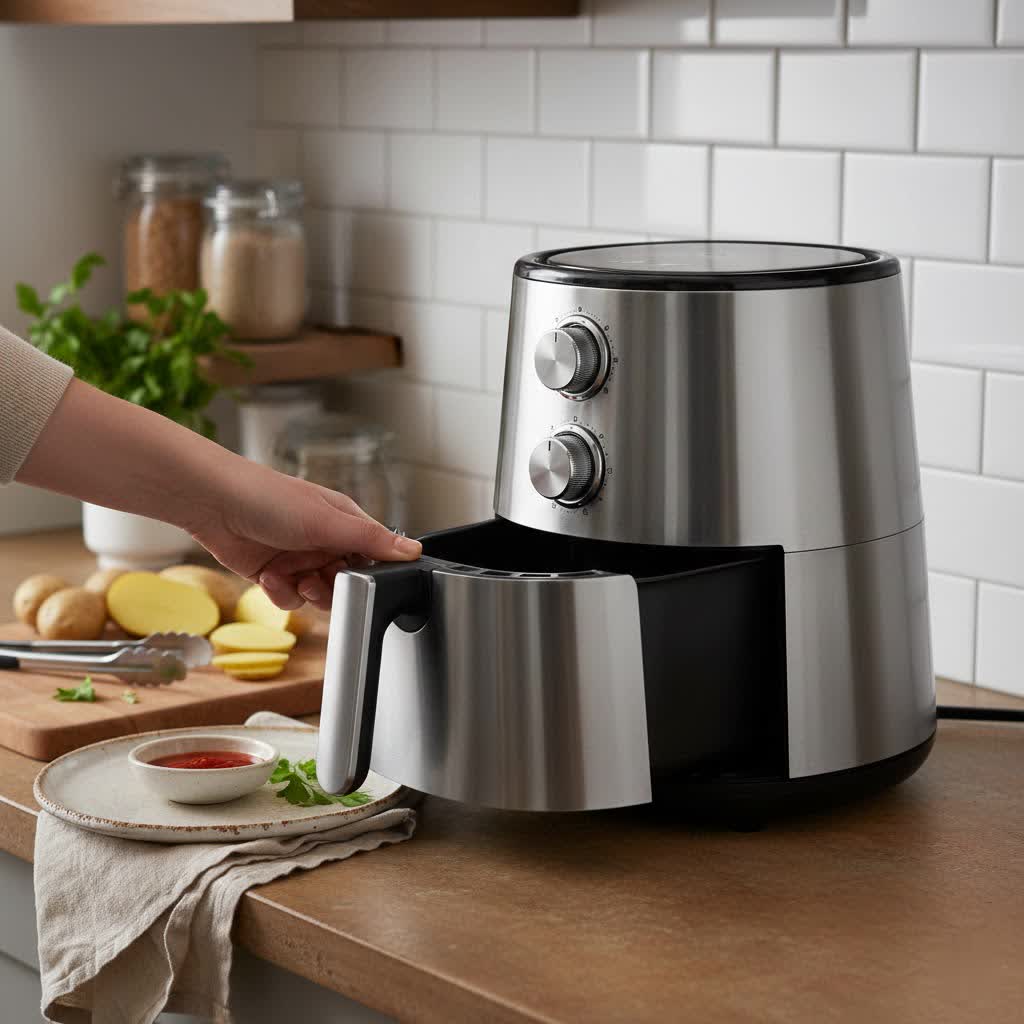
Air Fryer: Everything You Need to Know
Air fryers have revolutionized home cooking, offering a healthier, quicker alternative to traditional frying. But like any new appliance, understanding its basic components and function is key, especially when troubleshooting issues like unwanted smells.
What is an Air Fryer? How Does It Work?
Table is empty.An air fryer is essentially a compact convection oven designed to circulate hot air rapidly around food, mimicking the effects of deep-frying with significantly less oil. This process cooks food evenly, creating a crispy exterior while keeping the inside tender. The appliance typically consists of a heating element, a powerful fan, and a cooking basket or drawer. When activated, the heating element generates heat, and the fan quickly distributes this hot air, ensuring consistent cooking and browning. This method dramatically reduces the need for oil, leading to healthier meals.
Benefits of Using an Air Fryer
Beyond reducing oil consumption, air fryers offer numerous advantages that make them a favorite in modern kitchens. They cook food faster than conventional ovens, saving you precious time, and are incredibly versatile, capable of roasting, baking, grilling, and, of course, “frying” a wide array of dishes. Their compact size makes them ideal for smaller kitchens, and cleanup is often simpler than with traditional frying methods. For many, the convenience and consistent results are what truly make air fryers indispensable.
Popular Air Fryer Types on the Market
Air fryers come in various shapes and sizes, catering to diverse household needs. Basket-style models are the most common, featuring a pull-out drawer with a removable basket, perfect for single servings or small families. Oven-style air fryers, on the other hand, resemble mini convection ovens with multiple racks, suitable for larger families or preparing multiple items at once. Features vary widely, including digital touchscreens, preset cooking programs, shake reminders, and even dehydrating or rotisserie functions. Some newer models also focus on non-toxic materials, which can indirectly influence initial odors.
 A diverse collection of different air fryer types and sizes in a modern kitchen setting.
Essential Tips for Choosing the Right Air Fryer
Selecting an air fryer that suits your lifestyle involves more than just looking at the price tag. Considering your needs, the materials used, and available features can significantly enhance your cooking experience and even help mitigate common issues like the initial plastic smell.
Determine Your Usage Needs
Before purchasing, consider how you intend to use your air fryer. Will it be for daily meals for a large family, or occasional snacks for one or two? Do you plan to cook whole chickens, or mainly smaller items like fries and wings? Understanding your typical cooking habits and family size will guide your choices regarding capacity and features. For instance, a larger family might benefit from an oven-style model, while a compact basket air fryer could be perfect for a single person.
Choose Appropriate Capacity and Power
The capacity of an air fryer is usually measured in quarts or liters. A 2-3 quart model is ideal for 1-2 people, while 4-6 quarts suits 3-4 people. Larger families or those who entertain frequently might opt for 7 quarts or more. Power (wattage) influences cooking speed; higher wattage generally means faster heating and more consistent results. Most air fryers range from 1200W to 1800W. Balancing capacity with power ensures efficient and effective cooking for your household.
Material and Design Considerations
The materials used in an air fryer’s construction can impact its durability, ease of cleaning, and even the likelihood of off-gassing. Stainless steel interiors are often preferred for their robustness and minimal odor retention, though they may cost more. Many air fryers feature heat-resistant plastic exteriors and non-stick coated baskets. When considering potential plastic smells, look for models that use BPA-free, heat-stable plastics, particularly where food contact is concerned. An easy-to-clean design, with dishwasher-safe components, is always a plus.
Included Features
Modern air fryers boast a range of features designed to simplify cooking. Common functionalities include precise temperature control, digital timers with automatic shut-off, and various preset cooking programs for popular dishes. Some advanced models offer smart connectivity, allowing you to control them via an app. While extra features can be convenient, prioritize those that genuinely add value to your cooking routine, ensuring you’re not paying for functions you’ll rarely use.
Brand and Pricing
Investing in a reputable brand often translates to better quality, reliability, and customer support. Popular air fryer brands include Philips, Ninja, Cosori, Instant Pot, and Breville, many of which now offer models focusing on non-toxic materials like ceramic or stainless steel. Prices can range significantly, from budget-friendly options under $100 to premium models exceeding $300. Consider your budget while prioritizing features and materials that contribute to a safer, more pleasant cooking experience, especially if you’re sensitive to initial odors.
How to Get Rid of That Air Fryer Plastic Smell
Experiencing a plastic smell from a new air fryer is a common issue, often due to residual fumes from manufacturing. Luckily, there are several effective steps you can take to eliminate this odor before it affects your food.
Initial Cleaning and Burn-Off Cycle
The very first step is crucial: thoroughly clean all removable parts of your new air fryer. Remove the basket, trays, and any other detachable accessories, then wash them with warm, soapy water and a soft sponge. Rinse them well and dry thoroughly. Next, perform an “initial burn-off” or “break-in” cycle. This involves running the empty air fryer at its highest temperature (around 350-400°F or 200°C) for 10 to 60 minutes. This process helps to heat and cool the internal plastic components, releasing any residual fumes. It’s highly recommended to do this in a well-ventilated area, like outdoors or in a garage, to prevent the smell from lingering in your home. Some manufacturers suggest repeating this cycle 3-4 times, allowing the unit to cool for 15 minutes between cycles.
Using Natural Deodorizers
After the initial burn-off, if a faint plastic smell persists, natural deodorizers can be very effective. A popular method is the vinegar and citrus steam bath. Place an oven-safe bowl containing 1 tablespoon of distilled white vinegar and 1 tablespoon of lime juice (or citric acid) into the air fryer basket. Run the air fryer at 350-400°F for about 3 minutes, then turn it off and let it cool completely with the bowl inside for another 15 minutes. The acidic steam helps to neutralize and absorb odors. After this, wash the basket again and wipe the interior with a damp cloth to remove any remaining residue.
“Many new air fryers emit a harmless but noticeable plastic smell initially. This is usually just the manufacturing oils and heat-resistant plastics ‘off-gassing.’ A proper burn-off and a vinegar steam bath are often all you need for an odor-free start.” – Dr. Elena Petrova, Food Science & Appliance Expert
Persistent Odors and Advanced Solutions
If the plastic smell stubbornly remains, it could be due to a few factors. Ensure there’s no leftover plastic packaging caught anywhere, especially near the heating element. Also, check for any rubber feet on the crisper plate, as these can sometimes contribute to a rubbery smell. For persistent issues, some users have found success by applying a thin layer of cooking oil to the clean basket and tray, then performing another burn-off cycle. This is believed to help season the non-stick coating and further seal in any lingering plastic odors. Always ensure proper ventilation when attempting these steps.
Comparison of Popular Air Fryer Models
While the primary focus of this article is addressing plastic smells, knowing which models are generally well-regarded can help you make an informed choice, especially if material quality influences potential odors. Here’s a comparison of some popular air fryer models.
Detailed Comparison Table
| Criterion | Model 1 (Cosori Pro II) | Model 2 (Ninja Foodi DZ201) | Model 3 (Philips Premium XXL) |
|---|---|---|---|
| Brand | Cosori | Ninja | Philips |
| Capacity | 5.8 Quarts | 8 Quarts (Dual Zone) | 7 Quarts |
| Wattage | 1700W | 1690W | 2200W |
| Features | 12 presets, shake reminder, smart control | DualZone Tech, 6 cooking functions | Fat Removal Technology, 5 presets, keep warm |
| Price Range | $$$ | $$$$ | $$$$$ |
| Pros | User-friendly, consistent results, smart features | Cook two different foods at once, large capacity | Powerful, excellent performance, less fat |
| Cons | Can be bulky | Larger footprint | Higher price point, single basket |
Detailed Evaluation of Each Model
- Cosori Pro II Air Fryer: This model is a favorite for its intuitive digital interface and consistent cooking performance. It boasts numerous presets and smart connectivity, making it easy to use for beginners and experienced cooks alike. Its non-stick basket is generally easy to clean, and many users report minimal initial plastic odor after the recommended burn-off. Its mid-range price point offers great value for its features and reliability.
- Ninja Foodi DZ201 DualZone Air Fryer: The standout feature of the Ninja Foodi DZ201 is its DualZone Technology, allowing you to cook two different foods at different temperatures and times, and finish simultaneously. This makes it incredibly efficient for meal prepping or cooking for families. While powerful, its larger footprint might require more counter space. Like other Ninja products, it generally offers robust construction, and initial plastic smells are typically resolved with the burn-off process.
- Philips Premium XXL Air Fryer: Philips air fryers are renowned for their premium build quality and innovative “Fat Removal Technology,” which extracts and captures excess fat from food. This model offers a large capacity, powerful wattage for quick cooking, and consistent results. While it comes with a higher price tag, its superior performance and durability are often cited as justification. Philips also tends to use high-quality materials, which can contribute to a quicker dissipation of any new appliance smells.
 A lineup of three different air fryer models from top brands, showcasing their designs and features side-by-side.
Usage and Maintenance of Your Air Fryer
Proper use and regular maintenance are not only vital for the longevity of your air fryer but also crucial in preventing and managing any undesirable odors, including that initial plastic smell or persistent cooking smells.
Safe and Effective Air Fryer Usage
Always place your air fryer on a heat-resistant, flat surface, away from walls or cabinets to ensure adequate ventilation during operation. Never overload the basket; overcrowding can lead to uneven cooking and can trap odors more easily. Preheat your air fryer according to recipe instructions for best results. When using it for the first few times, especially after addressing a plastic smell, ensure your kitchen is well-ventilated by opening a window or using an exhaust fan. It’s also wise to check the manufacturer’s manual for specific safety warnings and recommended usage, as these can vary by model.
Cleaning and Maintaining Your Air Fryer
Regular cleaning is paramount to prevent odors from food residue. After each use, allow the air fryer to cool completely before cleaning. Remove the basket and tray and wash them with warm, soapy water. For stubborn, baked-on food or grease, soak the components for a few minutes before scrubbing with a non-abrasive sponge. The interior of the air fryer, particularly the heating element, should be wiped down with a damp cloth after it has cooled. Avoid harsh chemicals or abrasive scrubbers, which can damage the non-stick coating. Proper cleaning prevents the accumulation of old food particles and grease, which can otherwise contribute to unpleasant smells over time.
Where to Buy a Reliable Air Fryer?
When purchasing an air fryer, choosing a reputable retailer is as important as selecting the right model. This ensures you receive a genuine product, proper warranty, and good customer service, especially if you encounter any initial issues like a plastic smell.
Reputable Retailers for Air Fryers
You can find air fryers at various reliable outlets, both online and in brick-and-mortar stores. Large electronics retailers and department stores often carry a wide selection of brands and models, allowing you to compare options in person. Online marketplaces provide convenience and often competitive pricing, with customer reviews offering valuable insights. When buying online, always ensure you are purchasing from the brand’s official store or a trusted authorized reseller to avoid counterfeit products or issues with returns. Checking the return policy is also a smart move, just in case the initial odor is too strong or persistent for your comfort.
 A person browsing various air fryer models in the home appliance section of a large electronics store.
Tips for Better Air Frying
Beyond tackling the plastic smell, a few simple techniques can elevate your air frying skills, ensuring every meal is cooked to perfection and free from any unwanted tastes.
Delicious and Easy Air Fryer Recipes
The versatility of an air fryer means you can cook almost anything! Try air-fried chicken wings for a crispy appetizer, or perfectly roasted vegetables for a healthy side. French fries, fish fillets, and even baked goods like cookies can be made with ease. Experiment with different spices and marinades to discover new favorites. For instance, a simple sprinkle of garlic powder and paprika can transform potatoes into a flavorful dish, while a light coating of olive oil ensures even crisping. Online resources and cookbooks are rich with air fryer-specific recipes to explore.
Adjusting Temperature and Time for Even Cooking
Achieving perfectly cooked food in an air fryer often comes down to mastering temperature and time. For most dishes, preheating is essential for consistent results. Cook in small batches to allow hot air to circulate freely around each piece of food. Shake the basket periodically, or flip items like chicken breasts and fish, to ensure even browning and doneness. If you notice food cooking too quickly on the outside but not inside, slightly reduce the temperature and increase the cooking time. Conversely, if food isn’t crisping up, a higher temperature for a shorter duration might be needed. These adjustments ensure your food is cooked through without burning, and that no unappetizing smells or tastes linger.
Buying Guide: Key Factors for Your Air Fryer Purchase
When buying an air fryer, remember that a thoughtful purchase can prevent many future headaches, including unpleasant smells. Focus on these critical aspects to ensure you bring home an appliance that delivers both performance and peace of mind.
Factors to Consider When Buying an Air Fryer
First and foremost, material quality plays a significant role in avoiding off-gassing. Prioritize models with stainless steel interiors, ceramic-coated baskets, or those explicitly stating BPA-free and heat-stable plastics are used for non-food-contact parts. Next, capacity should match your household size and cooking frequency. A family of four typically needs a 4-6 quart model. Wattage impacts cooking efficiency; higher wattage (1500W+) generally means faster cooking. Look for ease of cleaning, with removable, dishwasher-safe parts being a major convenience. Finally, consider safety features like automatic shut-off and cool-touch exteriors. Investing in a trusted brand often provides greater assurance regarding both material quality and performance.
Expert Insight
“When selecting an air fryer, always check the materials list. Opting for models with stainless steel or high-quality ceramic interiors, and verified BPA-free plastics, can significantly reduce the likelihood of experiencing a strong initial plastic odor.” – Dr. Mark Johnson, Environmental Health Specialist
 An infographic showing key factors to consider when buying an air fryer, with icons representing capacity, wattage, material, and features.
Conclusion
The initial plastic smell from a new air fryer, while common, doesn’t have to be a permanent fixture in your kitchen. By understanding its origins—primarily manufacturing fumes from heat-resistant plastics—and applying simple yet effective remedies, you can ensure your appliance is ready for delicious, odor-free cooking. From a thorough initial cleaning and a dedicated burn-off cycle to utilizing natural deodorizers like vinegar and citrus, there are clear steps to take. Furthermore, making an informed choice when purchasing, prioritizing models with quality materials and reputable brands, can significantly reduce the chances of encountering persistent odors from the outset. With these tips, you’re now equipped to enjoy all the convenience and culinary benefits your air fryer has to offer. What amazing, aroma-free dishes will you create first?
Frequently Asked Questions
Why does my new air fryer smell like burning plastic?
A new air fryer often emits a plastic or chemical smell due to the initial heating of its internal plastic components and non-stick coatings, which release harmless residual fumes from the manufacturing process. This is a common occurrence during the first few uses.
Is the plastic smell from an air fryer harmful?
While the plastic smell from a new air fryer can be unpleasant, it is generally considered harmless and is typically caused by the “off-gassing” of heat-resistant plastics. It usually dissipates after the initial cleaning and burn-off cycles.
How do I break in a new air fryer to remove odors?
To break in a new air fryer, first wash all removable parts. Then, run the empty air fryer at its highest temperature (e.g., 400°F) for 10-60 minutes in a well-ventilated area, such as outdoors or in a garage.
Can vinegar remove the plastic smell from my air fryer?
Yes, a vinegar steam bath is an effective method. Place an oven-safe bowl with 1 tablespoon of distilled white vinegar and 1 tablespoon of lime juice in the air fryer, run it at 350-400°F for 3 minutes, then let it cool completely.
What materials should I look for in an air fryer to avoid plastic smells?
To minimize plastic smells, look for air fryers with interiors made of stainless steel or ceramic-coated baskets. Ensure any plastic components are BPA-free and heat-stable, ideally used only for the exterior housing.
How often should I clean my air fryer to prevent smells?
You should clean the removable parts of your air fryer after every use to prevent the buildup of food residue and grease, which can cause unpleasant odors. The interior and heating element should be wiped down regularly.
