The trusty air fryer has become a culinary MVP in countless kitchens, offering a healthier, quicker way to enjoy crispy favorites. But like all kitchen companions, even the most beloved air fryer eventually reaches the end of its journey. Perhaps yours has stopped heating, the basket is beyond repair, or a new model has simply caught your eye. While it might be tempting to simply toss your old, broken air fryer in the nearest trash can, that’s not the best approach for our planet. Understanding how to properly dispose of and recycle this common appliance is crucial for environmental well-being and often, for complying with local regulations. Let’s explore the right way to say goodbye to your old air fryer and ensure it’s handled responsibly.
Air Fryer: All You Need to Know
Before diving into disposal, let’s quickly review what makes an air fryer tick and why its components require special attention.
What is an Air Fryer? How Does It Work?
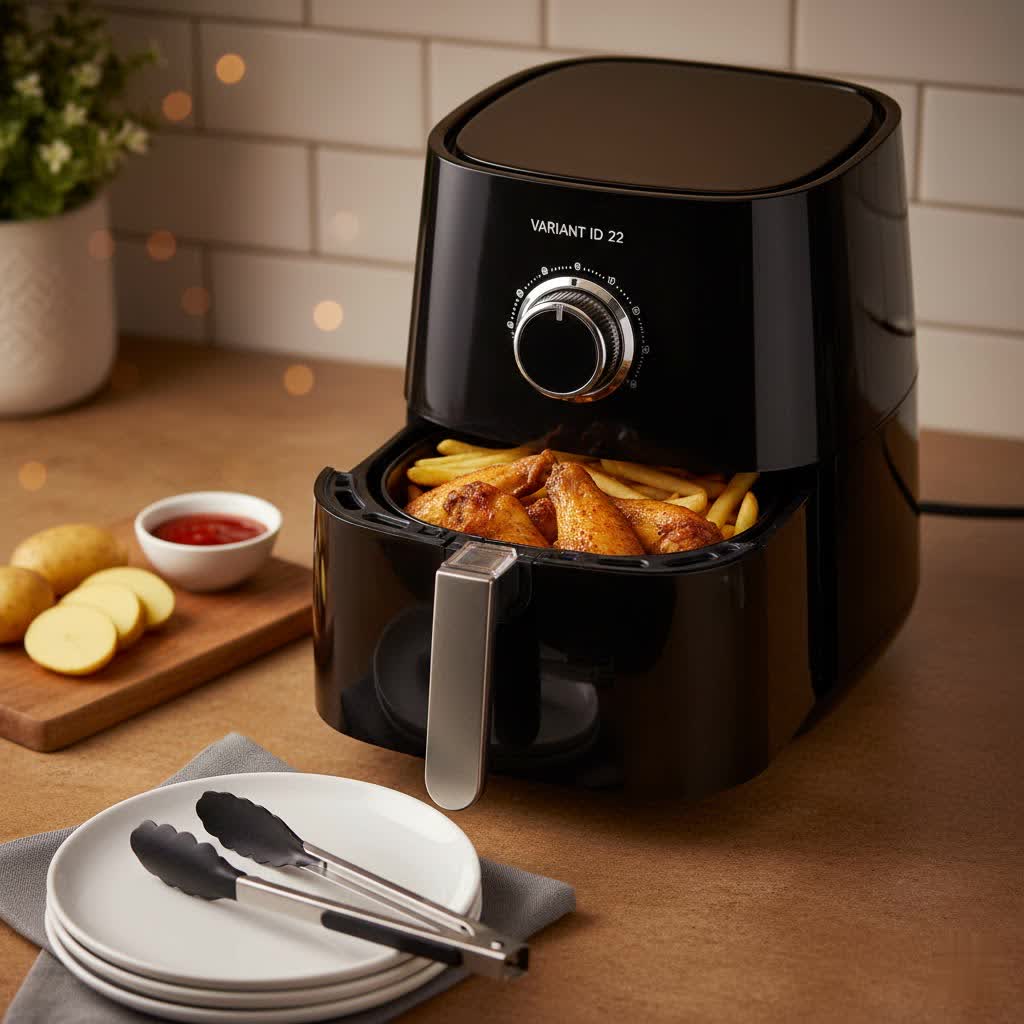
Table is empty.An air fryer is essentially a compact convection oven that cooks food by circulating hot air rapidly around it. A heating element generates heat, and a powerful fan distributes this hot air evenly, creating a crispy exterior similar to deep-frying but with significantly less oil. This innovative cooking method relies on electrical components, heating elements, and various materials to function.
Benefits of Using an Air Fryer
Air fryers offer numerous advantages, including healthier cooking due to reduced oil usage, faster meal preparation times, and often simpler cleanup compared to traditional frying methods. They are versatile, capable of roasting, baking, and reheating, making them a popular choice for busy households seeking convenience and efficiency.
Common Types of Air Fryers on the Market
Air fryers come in various designs and sizes. Basket-style models are popular for their simplicity, while oven-style air fryers offer greater capacity and often come with rotisserie functions. They vary in wattage, impacting cooking speed, and features like digital controls, preset programs, and smart connectivity enhance user experience. Choosing the right type often depends on family size, cooking habits, and desired functionalities.
Why Proper Air Fryer Disposal Matters
It’s vital to recognize that your broken air fryer isn’t just regular trash. It’s classified as electronic waste, or e-waste, and improper disposal can have significant environmental consequences.
The Environmental Impact of E-Waste
Air fryers contain a mix of materials, including plastics, metals (like copper, aluminum, and steel), and electronic circuit boards. If these items end up in a landfill, hazardous substances such as mercury, lead, BPA (Bisphenol A), and even PFAS from non-stick coatings can leach into the soil and groundwater, posing serious risks to ecosystems and human health. Plastics in e-waste can take hundreds of thousands, if not millions, of years to decompose, while metals can take centuries. Furthermore, improperly discarded e-waste contributes to a massive global waste problem, with only a small fraction currently being recycled.
Legal and Safety Reasons
Many municipalities have specific laws prohibiting the disposal of e-waste in regular household trash. Violating these regulations can sometimes result in fines. Beyond legalities, the electrical components can also pose safety hazards in landfills. Responsible disposal ensures that valuable materials are recovered and harmful elements are processed safely.
Preparing Your Air Fryer for Recycling
Before you drop off your air fryer, a little preparation can make the recycling process smoother and safer.
Cleaning and Disassembling
Ensure your air fryer is clean and free of food residue. Wipe down the interior and exterior thoroughly. If your model allows for easy disassembly of parts like the basket or crisper plate, remove them. Some components might be recyclable through different streams, though most e-waste centers prefer to handle the disassembly themselves.
Disposing of Old Cooking Oil
Never pour old cooking oil down the drain, as it can solidify and cause significant plumbing issues, contributing to “fatbergs” in sewer systems. Instead, let the oil cool completely, then pour it into a disposable container with a lid (like an old milk jug or coffee can) and seal it before placing it in your regular trash. Alternatively, you can mix the cooled oil with absorbent materials like cat litter, coffee grounds, or paper towels before disposal. Some local recycling centers may even accept used cooking oil, so check your local guidelines.
Where to Recycle Your Old Broken Air Fryer
Finding the right place to recycle your broken air fryer is easier than you might think. Several options are available to ensure your appliance is handled responsibly.
Local E-Waste Recycling Centers
This is often the most straightforward and recommended option for broken air fryers. Most counties and major cities offer household hazardous waste (HHW) or dedicated e-waste drop-off locations that accept small kitchen appliances for free or a nominal fee. These facilities are equipped to safely disassemble units, recover valuable materials, and properly handle any hazardous components. To find a center near you, check your local waste management agency’s website or use online tools like Earth911’s Recycling Search by typing in “air fryer” or “small appliance” and your ZIP code. Some centers may require appointments, so it’s wise to plan ahead.
Retailer Take-Back Programs
Many major electronics retailers offer recycling programs for small appliances, even if you didn’t purchase the item from them. Stores like Best Buy, Staples, and sometimes Target, often have designated drop-off points for electronics recycling. Some may even offer trade-in credits for certain items when you’re buying a replacement. It’s always a good idea to call your local store first to confirm their specific policies and whether they accept air fryers, as guidelines can vary.
Manufacturer Recycling Programs
While not all brands offer this, some air fryer manufacturers provide recycling services for their products. Check the manufacturer’s official website for your specific air fryer model. They might offer mail-back programs or partnerships with local recycling facilities. This option ensures that your appliance is recycled according to brand-specific guidelines.
Municipal Bulky Waste or Appliance Pick-Up
Depending on where you live, your city or town might offer special bulky waste collection days or appliance pick-up services. These programs are designed to handle larger items or electronic waste that cannot go into regular trash bins. Contact your local public works department or waste management services to inquire about scheduling a pick-up or finding designated drop-off events.
Professional Junk Removal Services
If you’re looking for a hassle-free solution, especially when clearing out multiple items, professional junk removal services can be a convenient option. Companies like 1-800-GOT-JUNK? will pick up your old air fryer and other unwanted items, ensuring they are donated or recycled responsibly wherever possible. This service typically comes with a fee but saves you the effort of transportation and finding drop-off locations.
What About a Working Air Fryer?
If your air fryer is still functional but you no longer need it, recycling isn’t the only option. Giving it a second life is even more environmentally friendly.
Donating to Charity
Many charities and non-profit organizations accept gently used appliances. Consider reaching out to local thrift stores like Goodwill, The Salvation Army, or Habitat for Humanity ReStores. Women’s shelters, transitional housing programs, and veterans’ groups also often need functional kitchen items. Always call ahead to confirm they accept small appliances and that your air fryer meets their donation criteria, as most will not accept broken or faulty units due to safety concerns and lack of testing equipment.
Selling or Giving Away Locally
Platforms like Facebook Marketplace, OfferUp, Nextdoor, or local Buy Nothing Project groups are excellent avenues to sell or give away a working air fryer. You can connect with individuals in your community who might benefit from a used appliance, keeping it out of the waste stream and potentially putting a little cash back in your pocket.
Buying Guide Considerations
When it’s time to replace your old air fryer, making an informed choice can also contribute to responsible consumption and future disposal.
Factors to Consider When Buying an Air Fryer
Look for models with durable construction and reputable brands that offer good customer support and warranty. Consider the appliance’s energy efficiency, as this impacts both your utility bills and environmental footprint. Researching a brand’s commitment to sustainability or potential recycling programs for their products can also be a deciding factor. Investing in a quality product that lasts longer can reduce the frequency of disposal.
“Choosing to properly recycle your air fryer isn’t just about following rules; it’s about actively protecting our planet from harmful e-waste and conserving valuable resources.” – Environmental Advocate, Sustainable Living Institute
Conclusion
When your old air fryer is beyond repair, disposing of it responsibly is a critical step in sustainable living. By understanding that air fryers are e-waste and exploring options like local recycling centers, retailer take-back programs, or manufacturer initiatives, you can ensure your appliance doesn’t contribute to landfill pollution. If your air fryer is still working, consider donating or selling it to extend its lifespan. Each conscious decision we make about our household items helps foster a healthier environment for everyone. How will you choose to make a difference with your next appliance disposal?
Frequently Asked Questions
Can I just throw my broken air fryer in the regular trash?
No, you should not throw your broken air fryer in the regular trash. Air fryers are considered electronic waste (e-waste) and contain components that can release harmful toxins into the environment if sent to a landfill. Many local regulations also prohibit disposing of electronics this way.
Are air fryers considered e-waste?
Yes, air fryers are classified as e-waste because they contain electrical components, metals, and plastics. These materials need specialized processing to be recycled safely and to prevent hazardous substances from contaminating the environment.
Where can I find an e-waste recycling center near me?
You can find local e-waste recycling centers by visiting your city or county’s waste management website. Websites like Earth911 also offer a convenient search tool where you can enter your item type and ZIP code to locate nearby certified recycling facilities.
Will donation centers accept a broken air fryer?
Generally, no. Most donation centers, such as Goodwill or The Salvation Army, only accept appliances that are in good, working condition. Broken appliances pose a safety risk and would likely be discarded by the charity themselves.
What should I do with the cooking oil before recycling my air fryer?
It’s important to dispose of any old cooking oil properly before recycling your air fryer. Let the oil cool, then pour it into a sealed, disposable container and place it in your regular trash. Never pour cooking oil down the drain.