Unlock the full potential of your air fryer and achieve consistently crispy, perfectly cooked meals. While the convenience of air frying often tempts us to toss food straight into a cold basket, mastering the art of preheating is a simple yet transformative step that can elevate your culinary creations. Just like a traditional oven, preparing your air fryer by preheating it ensures that your food begins cooking at the optimal temperature from the moment it enters the chamber. This crucial initial blast of heat plays a significant role in developing that desirable golden-brown exterior and preventing uneven cooking, leading to a truly satisfying air-fried experience.
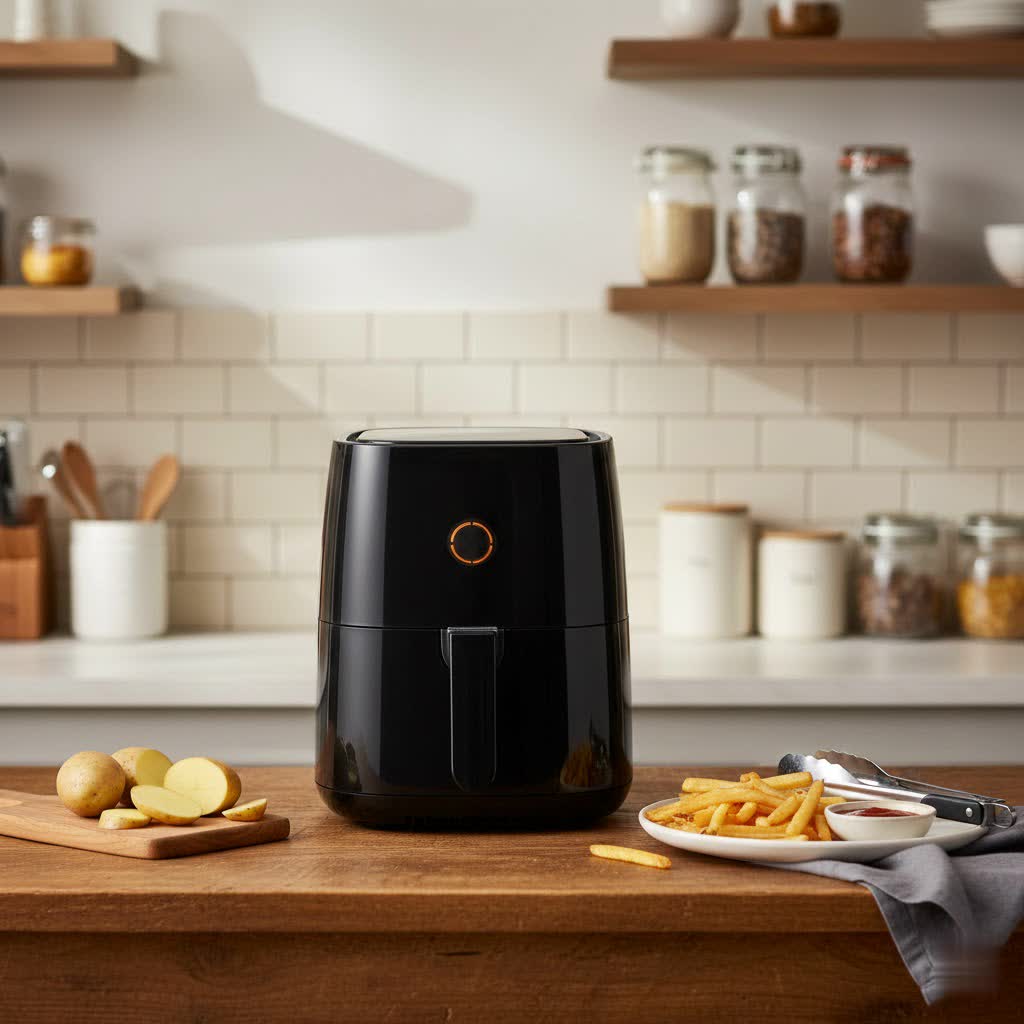
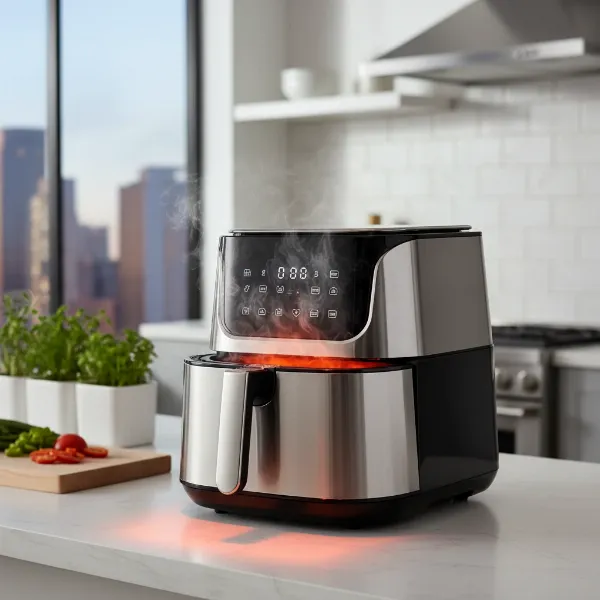 An air fryer basket glowing with heat in a modern kitchen, ready for food, emphasizing preheating.
The Importance of Preheating Your Air Fryer
Many air fryer users wonder if preheating is truly necessary. The answer, for optimal results, is often yes. Preheating your air fryer is akin to warming up a traditional oven, ensuring a stable and consistent cooking environment from the outset. This initial warm-up period is critical for several reasons, all contributing to superior texture and taste.
Why Preheating Matters for Culinary Success
Table is empty.Preheating plays a vital role in achieving the desired crispness and even cooking that air fryers are renowned for. When food is introduced into a preheated basket, it immediately encounters a consistent high temperature. This instant heat exposure helps to quickly seal the exterior of the food, creating a crispy crust and preventing it from becoming soggy. Without preheating, the air fryer spends valuable cooking time gradually reaching the target temperature, which can lead to unevenly cooked food—some parts overdone, others still soft or undercooked. This also contributes to a more efficient cooking process, as the air fryer doesn’t have to work as hard to compensate for a cold start, potentially reducing overall cooking times.
Understanding Your Air Fryer’s Heating Mechanism
Air fryers operate on a powerful convection principle, using a heating element and a fan to circulate hot air rapidly around the food. This superheated air is what creates the “fried” effect without excessive oil. When you preheat your air fryer, you allow this internal convection system to reach its full, uniform temperature before any food is introduced. This ensures that the hot air distribution is even throughout the cooking chamber, ready to envelop your food with consistent heat. If you start with a cold air fryer, the heating elements work harder and the fan distributes cooler air initially, which can impact the delicate balance needed for precise cooking.
When to Preheat Your Air Fryer: Essential Scenarios
Deciding when to preheat your air fryer isn’t always a one-size-fits-all answer. While it’s generally a good practice for many foods, there are specific scenarios where it’s particularly beneficial and others where it might be skipped. Understanding these distinctions can significantly enhance your air frying results.
Foods That Benefit Most from Preheating
Certain foods truly shine when cooked in a preheated air fryer, benefiting from the immediate high heat to achieve specific textures and cooking outcomes. Frozen foods, such as French fries, chicken nuggets, fish sticks, and breaded items, often require preheating to achieve that coveted crispy, golden exterior without drying out the interior. The sudden heat helps to crisp them up quickly, preventing a soggy texture.
Similarly, thin cuts of meat like bacon, chicken tenders, or steaks benefit from preheating to achieve a perfect sear and a beautiful crust, locking in juices and flavor. For baked goods like calzones or certain pastries, preheating can contribute to “oven spring,” where the dough rapidly expands in the initial heat, resulting in a lighter, fluffier texture and more even browning. Reheating leftovers like pizza, chicken, or steak also yields better results in a preheated air fryer, ensuring they warm through evenly and regain their original crispness.
When Preheating Might Not Be Necessary
While preheating is often advantageous, there are instances where it can be omitted or is simply not required. For very quick-cooking items that don’t rely heavily on surface crisping, such as small vegetables or delicate pastries, starting with a cold air fryer can sometimes be preferable. This prevents the exterior from burning or becoming overly dry before the inside is cooked through.
Additionally, some thick cuts of raw meat, like large chicken breasts or roasts, might cook better without preheating. The gradual increase in temperature can help the meat cook more evenly to the center without the outer layers drying out or overcooking too quickly. Many air fryer recipes for these items account for a cold start in their cooking times. If you are using parchment paper or air fryer liners, it’s generally advised to add them after preheating is complete, once the food is placed inside, to prevent the lightweight paper from flying around and potentially touching the heating element, which could cause it to scorch. Ultimately, for some foods, personal preference and a little experimentation with your specific air fryer model might be the best guide.
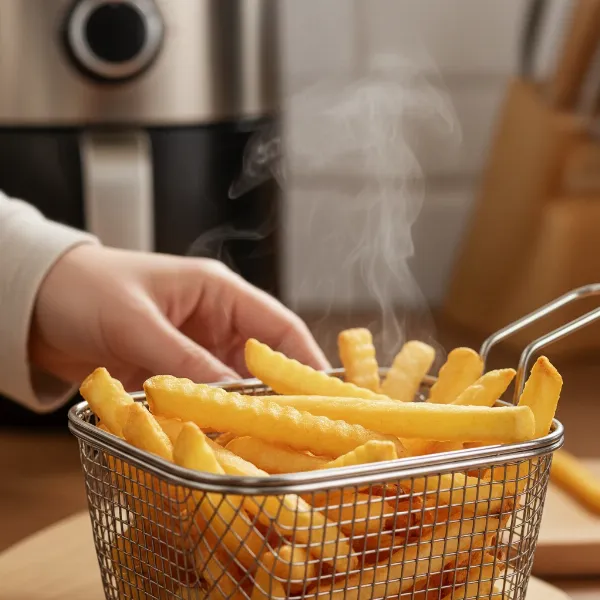 Crispy golden French fries being removed from an air fryer basket, symbolizing perfect results from preheating.
A Step-by-Step Guide to Preheating Your Air Fryer
Preheating your air fryer is a simple process that can significantly impact your cooking results. Whether your model has a dedicated button or requires manual adjustment, incorporating this step into your cooking routine is straightforward.
Setting the Right Temperature and Time
The general guideline for preheating an air fryer is typically 3-5 minutes, at or around the temperature specified in your recipe. Many recipes call for temperatures between 350°F and 400°F (175°C to 200°C). If your air fryer has a dedicated “preheat” function, simply select it, set your desired temperature, and wait for the appliance to signal that it’s ready. If your air fryer doesn’t have a specific preheat button, you can manually preheat it by setting the cooking temperature and timer for 3-5 minutes. The size of your air fryer can influence preheating time; larger models may need a slightly longer duration, perhaps up to 5 minutes, while smaller ones might be ready in 2-3 minutes. Always aim for an empty basket during preheating to ensure uniform heat distribution throughout the cooking chamber.
How Different Air Fryer Models Handle Preheating
Air fryer technology varies across brands and models, influencing how preheating is managed. Many modern air fryers, particularly basket-style units and some oven-style models, feature a dedicated “preheat” button. When activated, these appliances typically run a short cycle, usually 2-5 minutes, and then beep or display a message to indicate they have reached the set temperature. This intelligent feature removes any guesswork, ensuring optimal conditions for your food.
For air fryers without a dedicated preheat function, the process is manual but equally effective. Simply set the desired cooking temperature and set the timer for 3 to 5 minutes. During this time, the heating element and fan will bring the internal temperature up to the set point. Regardless of the model, it’s always wise to consult your air fryer’s user manual for specific instructions and recommended preheating procedures, as manufacturers often provide tailored advice for their particular appliances. Some models, like certain Ninja or Instant Vortex units, are designed to heat up very quickly, making preheating a less critical step for some foods, or even automating it.
Safety Tips During Preheating
When preheating your air fryer, safety should always be a priority. First, ensure the air fryer is placed on a stable, heat-resistant surface with adequate space around it for proper ventilation. Avoid placing it too close to walls or under cabinets. Always preheat with an empty basket to allow for even heat distribution and prevent accidental burns or damage to accessories.
If you plan to use parchment paper or other liners, do not add them to the air fryer during the preheating cycle without food to weigh them down. The powerful airflow can cause lightweight liners to fly up and come into contact with the heating element, posing a fire risk. Only add liners once the air fryer is preheated and you are placing food into the basket. Always handle the hot basket or tray with oven mitts or heat-resistant gloves once preheating is complete.
Common Preheating Mistakes and How to Avoid Them
Even seasoned air fryer users can fall prey to common preheating errors that compromise cooking results. Being aware of these pitfalls can help you achieve consistently delicious meals.
Over-Preheating and Its Consequences
While preheating is beneficial, there’s such a thing as too much heat. Over-preheating your air fryer, either by setting the temperature too high or letting it run for an excessive duration, can have adverse effects. An overly hot cooking chamber can cause delicate foods to burn on the surface almost instantly, leaving the interior undercooked. It might also lead to dry results, as the intense heat can rapidly evaporate moisture from your ingredients. In extreme cases, prolonged over-preheating could potentially reduce the lifespan of your appliance or damage internal components. Always stick to the recommended preheating times and temperatures, typically 3-5 minutes at the recipe’s specified heat.
Under-Preheating: What Happens to Your Food?
Skipping the preheating step or not allowing enough time for your air fryer to reach temperature can lead to a less-than-ideal cooking experience. When food is placed into a cold or insufficiently preheated air fryer, it takes longer for the appliance to reach its target temperature. This extended warm-up period means your food is essentially “baking” or “steaming” rather than “air frying” in the initial stages. The result can be soggy, chewy textures instead of crispy exteriors, particularly for items like fries, chicken wings, or breaded foods. Uneven cooking is also a common issue, as different parts of the food may cook inconsistently as the temperature slowly rises. Always allow the air fryer sufficient time to come to temperature, ensuring an immediate sizzle when food is added for optimal crispiness.
Ignoring Recipe Instructions
One of the most common mistakes is disregarding specific preheating instructions provided in recipes or your air fryer’s manual. Manufacturers and recipe developers often test and recommend preheating or non-preheating based on the specific food and appliance characteristics. Some recipes might intentionally skip preheating for certain delicate items or if the cooking time is already factored into a cold start. Conversely, many recipes for crispy or seared foods will explicitly state a preheating step. Always consult your recipe and air fryer manual first. If no specific guidance is given, the general rule of 3-5 minutes at the cooking temperature is a safe bet for most items that benefit from initial high heat.
Beyond Preheating: Tips for Optimal Air Frying Results
While proper preheating sets the stage, several other techniques can further enhance your air frying experience, ensuring every dish is a success. These simple adjustments can make a significant difference in texture, flavor, and overall cooking consistency.
Don’t Overcrowd the Basket
One of the most crucial rules for effective air frying is to avoid overcrowding the basket. Air fryers work by circulating hot air around the food. If the basket is packed too tightly, the hot air cannot circulate freely, leading to uneven cooking and steaming instead of crisping. Food items will come out soggy or partially cooked rather than perfectly golden and crunchy. For best results, cook in single layers or small batches, allowing enough space between pieces for the air to flow. This might mean cooking in multiple rounds, but the superior quality of the finished dish is well worth the extra few minutes.
Shake or Flip for Even Cooking
Even with proper preheating and adequate spacing, it’s often necessary to shake the basket or flip your food halfway through the cooking process. This ensures that all sides of the food are exposed to the direct hot air, promoting uniform browning and crispiness. Items like fries, chicken nuggets, or vegetables benefit greatly from a good shake, while larger pieces such as chicken breasts or fish fillets should be flipped. Most air fryer recipes will indicate when and how often to shake or flip. This simple action prevents one side from overcooking while another remains underdone, guaranteeing an evenly cooked and beautifully textured meal.
Using the Right Oil and Amount
While air frying significantly reduces the need for oil, using the right type and amount can dramatically improve results. A light spray or toss with a high smoke point oil like avocado, grapeseed, or canola oil helps achieve an extra crispy exterior and prevents food from sticking. Avoid aerosol cooking sprays, as they can contain propellants that damage the non-stick coating of your air fryer basket over time. Instead, use an oil mister or lightly brush oil onto your food. Remember, a little goes a long way; too much oil can lead to greasy results and excessive smoke. The goal is to lightly coat the food for crisping, not to drench it.
Buying Guide: Features that Impact Preheating and Performance
When investing in an air fryer, certain features directly influence its preheating capabilities and overall cooking performance. Understanding these aspects can help you choose an appliance that perfectly fits your cooking style.
Power and Wattage
The wattage of an air fryer is a key indicator of its power and how quickly it can heat up and maintain temperature. Air fryers with higher wattage (typically 1500 watts and above) tend to preheat faster and recover temperature more quickly after the basket is opened, leading to more consistent cooking results. A higher wattage also means the air fryer can reach higher temperatures more efficiently, which is beneficial for searing and achieving maximum crispiness. Lower wattage models may take longer to preheat and cook, potentially impacting the desired texture, especially for foods that require an immediate burst of high heat.
Temperature Control Accuracy
Precise temperature control is essential for consistent air frying, directly affecting how accurately the appliance preheats and cooks. Look for air fryers that offer digital temperature settings and a wide temperature range, typically from around 180°F to 400°F (80°C to 200°C). Models with smart sensors and automatic shut-off features can provide greater accuracy, ensuring the air fryer reaches and holds the set preheating temperature without significant fluctuations. Some advanced air fryers even include internal thermometers or probes to help monitor food temperature, complementing the preheating process by ensuring food is cooked safely and to your exact preference.
Basket Material and Design
The material and design of the air fryer basket can also influence preheating efficiency and overall performance. Baskets made from good quality, non-stick materials promote even heat distribution and easier cleanup. The design, particularly the perforation patterns, is crucial for optimal airflow. A well-designed basket allows hot air to circulate freely around all sides of the food, contributing to faster and more even preheating of the cooking space, and ultimately, better cooking. Some air fryers feature dual baskets or larger capacities, which might require slightly longer preheating times but offer the convenience of cooking more food simultaneously.
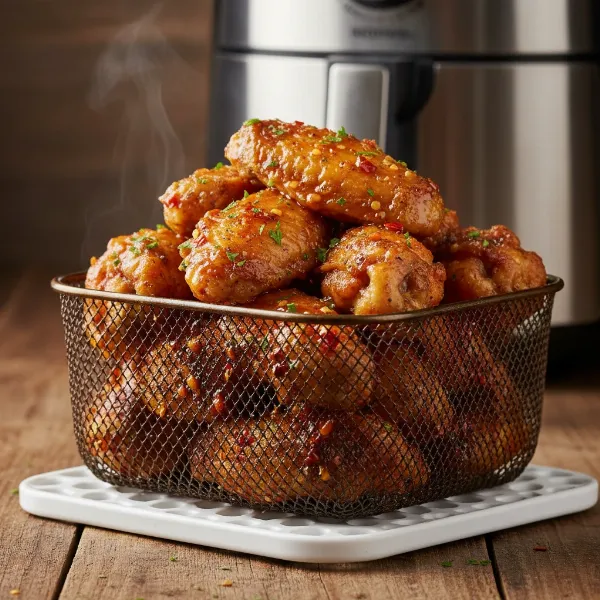 Crispy golden chicken wings in an air fryer basket, ready to be served, emphasizing perfectly cooked results.
Conclusion
Mastering the use of your air fryer, particularly the simple act of preheating, is a game-changer for achieving consistently perfect results. This quick step ensures your food starts cooking at the optimal temperature, guaranteeing the crispy textures and even doneness we all love. From frozen favorites to delicate baked goods, preheating lays the foundation for culinary success, saving you from soggy disappointments and unevenly cooked meals.
By understanding when and how to preheat, along with other essential tips like avoiding overcrowding and using the right amount of oil, you’re well on your way to becoming an air frying pro. Don’t be afraid to experiment with your specific air fryer model and recipes to discover what works best for you. What delicious crispy creation will you air fry next?
Frequently Asked Questions
How long does it take to preheat an air fryer?
Most air fryers typically take about 3-5 minutes to preheat. This can vary slightly depending on the size and wattage of your specific model, with larger units potentially needing a little more time.
What temperature should I preheat my air fryer to?
You should generally preheat your air fryer to the temperature specified in your recipe. If no temperature is given for preheating, a common guideline is 350-400°F (175-200°C).
Can I put food in a cold air fryer?
While you technically can, it’s often not recommended for best results. Putting food into a cold air fryer can lead to uneven cooking and a less crispy exterior, as the appliance needs time to reach the desired temperature.
Do all air fryers need to be preheated?
Not necessarily. Some air fryer models have a dedicated preheat button, while others require manual preheating. For certain delicate foods or when a recipe specifically states otherwise, preheating might not be required.
Does preheating save time?
Yes, preheating can actually save overall cooking time. By starting with a hot cooking chamber, your food begins cooking immediately, reducing the total time it takes to reach doneness and desired crispness.
Is it safe to preheat an empty air fryer?
Yes, it is perfectly safe to preheat an empty air fryer. In fact, it’s recommended to preheat with an empty basket to ensure even heat distribution and to prevent lightweight liners from flying into the heating element.
What happens if I don’t preheat my air fryer?
If you don’t preheat, your food may cook unevenly, take longer to cook, and might not achieve the desired crispy texture. The initial cold start can lead to a “steaming” effect rather than the intense hot air circulation needed for crisping.
