The air fryer has transformed kitchens, promising crispy, guilt-free versions of our favorite fried foods. It’s no wonder many home cooks wonder if this versatile appliance can also tackle the classic movie snack: popcorn. The idea of quickly popping corn with minimal oil and fuss is certainly appealing, but delving into whether an air fryer is a safe and effective way to make popcorn reveals a divided opinion among experts and users alike. While some claim success, significant safety concerns warrant a cautious approach before tossing those kernels into your air fryer.
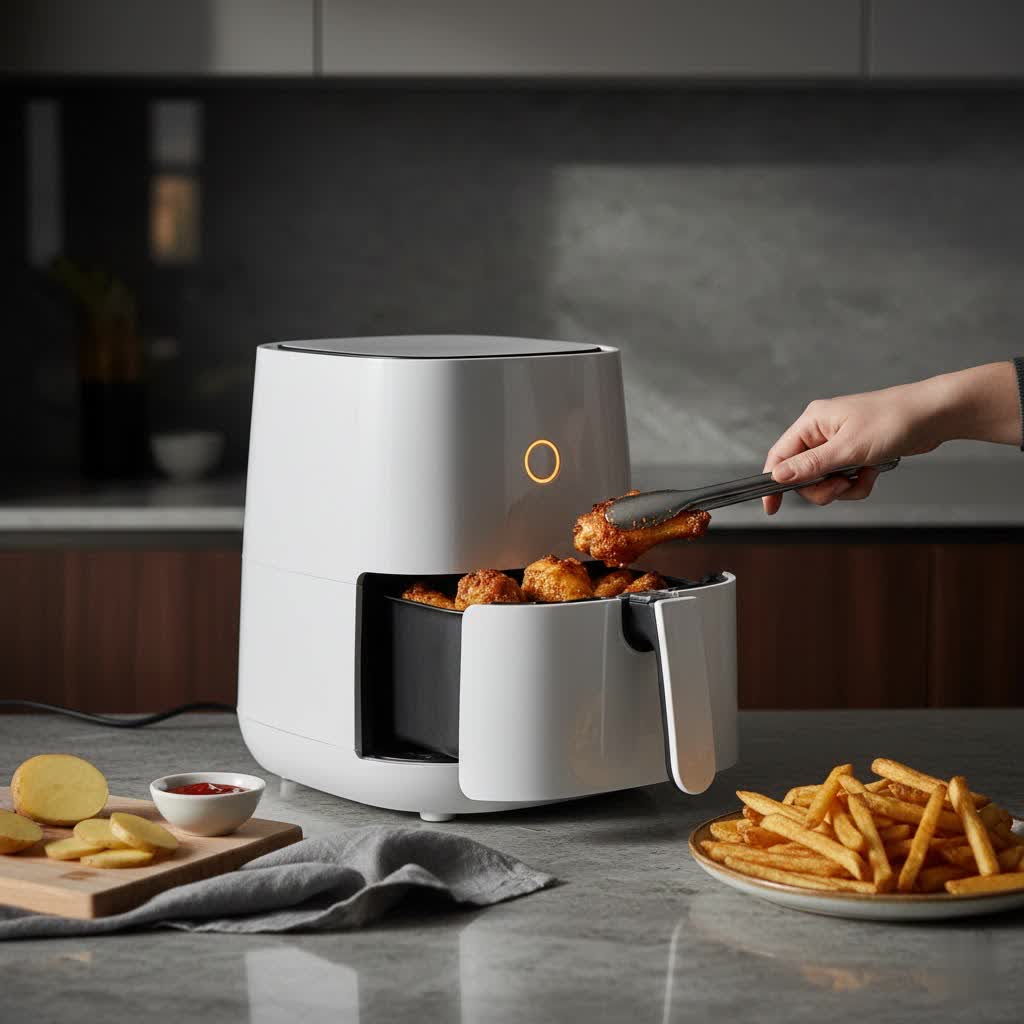
The Allure of Air Fryer Popcorn: Can It Be Done?
The air fryer’s appeal lies in its ability to circulate hot air rapidly, achieving a crispy texture without deep-frying. This convection technology makes many believe it’s a perfect fit for popping corn. After all, popcorn kernels require high, consistent heat to explode into fluffy morsels, and an air fryer certainly provides heat. The promise of a healthier snack, less oil, and quick preparation has made air fryer popcorn a trending topic.
However, the reality is more nuanced. While technically possible with certain air fryer models and specific precautions, it’s far from a universally recommended or inherently safe method. Many experienced cooks and appliance manufacturers advise against it due to several potential pitfalls that can compromise both your snack and your appliance.
Air Fryer Popcorn: Unpacking the Safety Concerns
The primary question surrounding air fryer popcorn isn’t just “can it be done,” but “is it safe?” The consensus points to significant safety risks that eager snackers should be aware of before attempting this method. These concerns stem from the fundamental design and operation of most air fryers, which aren’t ideally suited for small, high-velocity items like popping corn kernels.
The Risk of Fire and Appliance Damage
Table is empty.One of the most critical warnings against making popcorn in an air fryer is the risk of fire and potential damage to the appliance. As kernels pop, they can scatter unexpectedly. Unpopped kernels or even popped pieces can easily become lodged in the air fryer’s heating element or fan. This can lead to a short circuit, an electrical malfunction, or even a fire hazard, posing a serious risk to your kitchen and home. The powerful circulating fan, designed to move air around food, can turn loose kernels into projectiles, exacerbating this problem.
Furthermore, some air fryer models may not reach or consistently maintain the extremely high temperatures required for proper popcorn popping. If the temperature is insufficient, kernels might partially pop or burn without fully expanding, leading to a smoky mess and a batch of unappetizing popcorn, along with the lingering smell of burnt kernels.
Understanding Your Air Fryer’s Limitations
Not all air fryers are created equal, and their design can significantly impact the feasibility and safety of making popcorn. Air fryers with open-mesh baskets or those that lack a secure lid are particularly problematic. The fan in these models can easily blow lightweight kernels around before they have a chance to pop, or scatter popped corn all over the interior, leading to uneven cooking and the increased risk of kernels getting stuck where they shouldn’t.
Basket-style air fryers, with their strong top-down fan, are generally less suitable than oven-style air fryers with rotisserie baskets or more contained cooking environments. Even in larger, oven-style units, proper containment of the kernels is key to mitigate risks. Consider the wattage and heating capabilities; a unit that struggles to reach high temperatures efficiently will likely yield disappointing, and potentially dangerous, results.
When to Absolutely Avoid Air Fryer Popcorn
There are certain scenarios where attempting to make popcorn in an air fryer should be strictly avoided:
- Air fryers with exposed heating elements: If kernels can directly fall onto or be blown into the heating coils, the risk of fire is too high.
- Small, mesh-basket air fryers: The fan will likely blow kernels around, preventing them from popping properly and increasing the chance of them getting stuck.
- Using excessive oil: While some methods suggest a small amount of oil, too much oil can create smoke, splatter, and potentially lead to a grease fire, especially with the high heat and circulation.
- Leaving it unattended: Due to the rapid cooking and potential for issues, never leave an air fryer unattended while making popcorn.
> “While the air fryer is incredibly versatile, some foods, like popcorn, introduce unique challenges. The primary concern is always the safety of the appliance and the user.” – Dr. Eleanor Vance, Culinary Engineering Specialist
If You Dare to Try: A Cautious Guide to Air Fryer Popcorn
Despite the warnings, some individuals successfully make popcorn in their air fryers by exercising extreme caution and using specific techniques. If you decide to proceed, understanding these methods and adhering strictly to safety guidelines is paramount. Remember, this approach carries inherent risks not associated with traditional popcorn makers.
Essential Preparations for Air Frying Popcorn
Before you even think about kernels, ensure your air fryer is suitable. Opt for a larger, oven-style air fryer with a rotisserie basket or a well-contained cooking chamber if possible. If using a basket-style air fryer, it must be robust enough to hold a makeshift container and prevent kernels from escaping. Always work with small batches – usually no more than ¼ cup of kernels – to allow sufficient space for air circulation and popping.
Step-by-Step Method (with emphasis on safety)
This method attempts to minimize risk by containing the kernels.
- Ingredients & Equipment:
- ¼ cup unpopped popcorn kernels
- 1 tablespoon high-smoke-point oil (like avocado, canola, or grapeseed oil)
- Aluminum foil or a shallow, oven-safe dish lined with parchment paper
- A suitable air fryer (preferably oven-style or a larger basket model)
- Preparing Your Air Fryer:
- Preheat your air fryer to 400°F (205°C) for 5 minutes. This ensures the unit reaches the necessary high temperature quickly and consistently.
- Containing the Kernels:
- In a bowl, toss the popcorn kernels with the oil to ensure an even coating.
- Option 1 (Aluminum Foil Pouch): Create a loose pouch or envelope with aluminum foil, ensuring it’s sealed on the sides but has enough space for the popcorn to expand. Leave a small opening for steam to escape. Place the oiled kernels inside this pouch. Ensure the foil is secured and cannot be blown around by the air fryer’s fan.
- Option 2 (Shallow Oven-Safe Dish with Parchment): If your air fryer has a rack or is oven-style, place the oiled kernels in a shallow, oven-safe dish (like a ceramic ramekin or metal cake pan) and lightly cover it with parchment paper, allowing some steam to escape. Make sure the parchment is weighted down or secured to prevent it from blowing into the heating element.
- The Popping Process:
- Carefully place the foil pouch or dish with kernels into the preheated air fryer basket or oven.
- Cook for 6-10 minutes. The popping should start within a few minutes.
- Crucially, monitor the air fryer constantly. Listen for the popping to slow down. If using a basket-style air fryer, you may gently shake the basket halfway through the cooking process (around 3-4 minutes) to promote even popping, but do so carefully to avoid disturbing the foil or dish.
- Once the popping slows to 2-3 seconds between pops, turn off the air fryer immediately to prevent burning.
- Post-Popping:
- Carefully remove the hot foil pouch or dish from the air fryer. Be mindful of steam.
- Transfer the popcorn to a serving bowl.
- Season with salt, butter, or your favorite toppings after it’s popped. Adding seasonings during cooking can cause them to burn or melt prematurely.
- Thoroughly inspect your air fryer for any escaped kernels or debris and clean it immediately after use to prevent future fire hazards.
Key Tips for Success and Safety
Making air fryer popcorn successfully and safely relies on attention to detail and a proactive approach to potential issues.
- Do Not Wait for All Kernels to Pop: It’s better to have a few unpopped kernels than to risk burning the entire batch or damaging your air fryer. Stop cooking as soon as the popping frequency significantly decreases.
- Thorough Cleaning is Vital: After each use, meticulously clean your air fryer. Pay close attention to the heating element, fan area, and crevices where kernels (popped or unpopped) might hide. Any residual kernels can become a fire hazard during subsequent uses.
- Season After Cooking: Adding butter or other toppings during the air frying process can lead to burning, smoke, and an unevenly coated snack.
- Small Batches Only: Overfilling the air fryer will result in uneven cooking, poor airflow, and a higher chance of kernels getting stuck.
- Never Use Microwave Popcorn Bags: These bags are designed for microwave ovens and contain chemicals or materials that are not safe for air fryer temperatures and direct heat.
- Check for Air Circulation: Ensure whatever method you use to contain the kernels (foil, dish) still allows for hot air to circulate effectively around them.
Alternatives to Air Fryer Popcorn
Given the considerable safety warnings and potential for damage, many people find it simpler and safer to stick to traditional popcorn-making methods. These alternatives are tried-and-true, consistently delivering delicious results with fewer risks.
The Tried-and-True Methods: Stovetop and Microwave
For generations, stovetop and microwave popcorn have been the go-to methods, and for good reason.
- Stovetop Popcorn: Using a heavy-bottomed pot with a lid, a small amount of oil, and a medium-high heat offers excellent control and consistently fluffy popcorn. It allows you to make larger batches and adjust seasonings easily. The enclosed environment of a pot is ideal for containing popping kernels, minimizing mess and safety concerns.
- Microwave Popcorn: While commercial microwave bags often come with unhealthy additives, you can make healthier versions using plain kernels in a brown paper bag or a specialized microwave popcorn maker. This method is incredibly quick and convenient, with designs specifically intended for popping corn safely.
Both stovetop and microwave methods are designed for popcorn and therefore inherently safer and often more effective than attempting to adapt an air fryer.
Buying Guide: Factors to Consider When Buying an Air Fryer
While making popcorn might not be the air fryer’s strongest suit, the appliance excels in many other areas. If you’re considering an air fryer for its primary functions—frying, roasting, baking, and grilling—here are the key factors to evaluate to find the perfect model for your needs:
Determine Your Usage Needs
Consider your household size and cooking habits. A single person or couple might be fine with a compact 2-3 liter model, while a family will benefit from a larger 5-7 liter or even bigger oven-style air fryer. Think about the types of dishes you plan to make most often; larger items like a whole chicken require more capacity.
Choose the Right Capacity and Power
Air fryer capacity is usually measured in liters or quarts. A 3-quart (approx. 2.8-liter) model is good for 1-2 people, while 5-6 quarts (4.7-5.7 liters) suits families of 3-4. For larger families or meal prepping, look for 8 quarts (7.6 liters) or more. Power (wattage) typically ranges from 1200W to 1800W. Higher wattage often means faster preheating and cooking, but also higher energy consumption.
Material and Design
Air fryers come in various materials, predominantly plastic or stainless steel. Stainless steel models tend to be more durable and often have a premium look, while plastic models are typically lighter and more affordable. Consider the design – basket-style air fryers are compact and great for shaking smaller items, while oven-style models offer shelves and rotisserie functions, ideal for larger quantities or roasting. Look for non-stick coatings for easy cleanup.
Accompanying Features
Modern air fryers boast a range of features that enhance convenience and cooking versatility.
- Digital vs. Analog Controls: Digital displays offer precise temperature and time settings, often with pre-set programs. Analog dials are simpler and more budget-friendly.
- Pre-set Programs: Many air fryers include pre-programmed settings for common foods like fries, chicken, or fish, taking the guesswork out of cooking times and temperatures.
- Shake Reminders: Some models will beep to remind you to shake the basket for even cooking.
- Keep Warm Function: Handy for keeping food warm until you’re ready to serve.
- Dishwasher-Safe Parts: Essential for easy cleanup. Removable baskets and trays that are dishwasher-safe can save a lot of time.
- Smart Features: Wi-Fi connectivity allows you to control the air fryer from your phone, access recipes, and monitor cooking progress remotely.
Brand and Price
Reputable brands often offer better build quality, reliability, and customer support. Popular brands include Philips, Ninja, Cosori, Instant Pot, and Gourmia. Prices can range widely, from under $50 for basic compact models to $200+ for large, feature-rich, smart air fryers. Set a budget and prioritize the features most important to you. Sometimes, a slightly higher investment in a trusted brand can ensure longevity and better performance.
Conclusion
While the allure of making popcorn in an air fryer is understandable, the practice is fraught with safety concerns and often leads to unsatisfactory results. The risk of fire, appliance damage, and unevenly popped kernels outweighs the convenience for many users. While it can be attempted with extreme caution, proper containment, and vigilant supervision, traditional methods like stovetop or microwave popping remain the safest and most reliable ways to enjoy this beloved snack. If you’re considering an air fryer, focus on its strengths in making truly crispy and delicious versions of other fried foods, and leave the popcorn to the methods designed for it.
What will you be air frying next, safely and deliciously?
Frequently Asked Questions
Is it safe to make popcorn in an air fryer?
Making popcorn in an air fryer carries several safety risks, including kernels getting lodged in heating elements, which can cause fire hazards or damage the appliance. It is not generally recommended by appliance manufacturers, and traditional methods are often safer and more effective.
Do I need oil to make popcorn in an air fryer?
While some methods suggest using a small amount of high-smoke-point oil to help with popping and flavor, it is possible to attempt air fryer popcorn without oil. However, oil can help transfer heat more efficiently to the kernels.
What temperature is best for air fryer popcorn?
If attempting to make popcorn in an air fryer, a temperature of around 400°F (205°C) is often recommended. Preheating the air fryer to this temperature for 5 minutes beforehand is crucial for best results.
How long does it take to make popcorn in an air fryer?
Cooking times typically range from 6 to 10 minutes, but this can vary depending on the air fryer model, batch size, and kernel type. It is important to monitor the process closely and stop cooking as soon as the popping frequency slows down significantly.
Is air fryer popcorn healthier than microwave or stovetop popcorn?
Air fryer popcorn, when made with minimal or no oil, can be a healthier alternative to microwave popcorn (especially pre-packaged bags with added fats and chemicals) or stovetop popcorn made with excessive oil. However, the health benefits do not negate the safety concerns associated with the air fryer method.
